
House plants tips can transform any indoor space into a lush, healthy environment. Whether someone is a first-time plant parent or a seasoned grower, the right care strategies make all the difference. Indoor plants improve air quality, reduce stress, and add natural beauty to homes and offices. But, many people struggle to keep their greenery alive past the first few weeks.
The good news? Most house plants thrive with consistent, simple care. This guide covers everything from selecting the perfect plants to preventing pest problems. Readers will learn practical house plants tips that work for busy schedules and varying light conditions. By the end, anyone can grow confident in their ability to maintain beautiful indoor greenery year-round.
Table of Contents
ToggleKey Takeaways
- Match your house plants to your lifestyle and light conditions—low-light spaces suit pothos and snake plants, while bright rooms support succulents and fiddle leaf figs.
- Check soil moisture before watering by inserting a finger one inch deep; only water when the soil feels dry to prevent root rot.
- Rotate your plants weekly and consider LED grow lights if natural light is insufficient to ensure even, healthy growth.
- Feed house plants with diluted liquid fertilizer every 2-4 weeks during spring and summer, but skip fertilizing in winter when growth slows.
- Repot every 1-2 years using containers only 1-2 inches larger with drainage holes to give roots room without risking moisture buildup.
- Quarantine new plants for 2-3 weeks and inspect leaves regularly to catch pests like spider mites and mealybugs before they spread.
Choosing the Right Plants for Your Space
The first step to successful indoor gardening starts with plant selection. Not every plant suits every home. Light levels, room size, and personal schedule all play a role in which species will thrive.
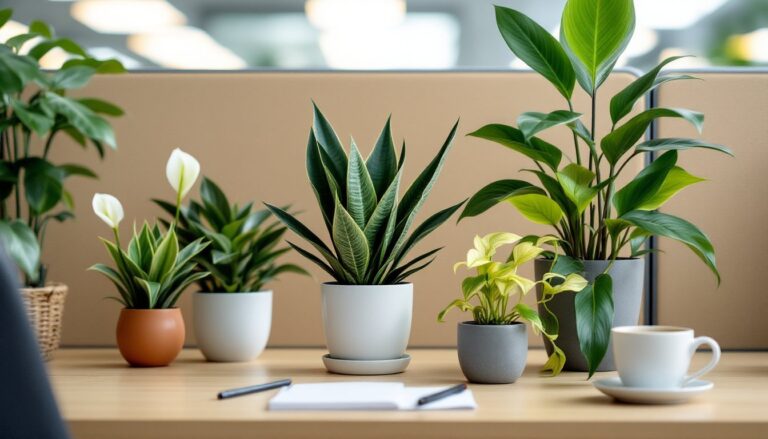
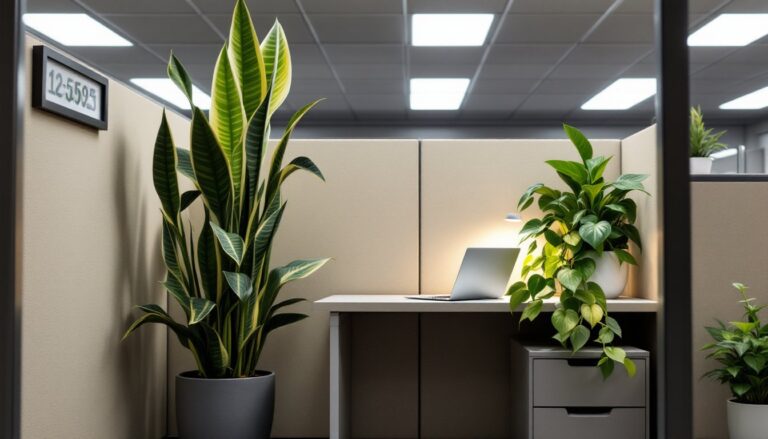
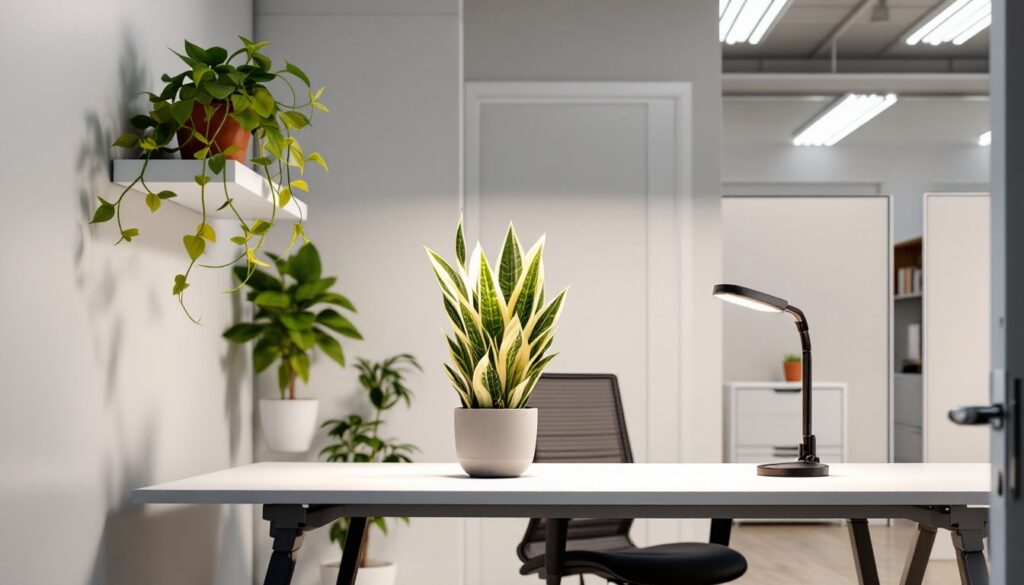
For low-light rooms, consider pothos, snake plants, or ZZ plants. These varieties tolerate shade and inconsistent watering. They’re perfect for beginners who want forgiving options. Bright, sunny spaces support fiddle leaf figs, succulents, and cacti. These plants need several hours of direct sunlight daily.
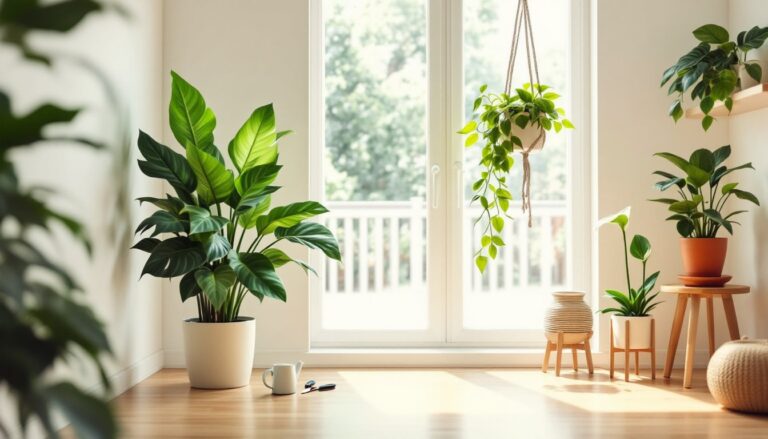
Room size matters too. Large monstera plants need floor space and room to spread. Smaller spaces benefit from compact options like air plants, small ferns, or trailing ivy on shelves. One of the best house plants tips is to match plant growth habits with available square footage.
Lifestyle also influences plant choice. Frequent travelers should choose drought-tolerant species like aloe vera or rubber plants. These can survive a week or two without water. People who enjoy daily plant care might prefer tropical varieties that need regular attention.
Before purchasing any plant, research its specific needs. Check mature size, light requirements, and toxicity levels, especially important for homes with pets or children. A well-matched plant will thrive with minimal effort.
Mastering Watering and Humidity
Watering mistakes kill more house plants than any other issue. Overwatering causes root rot, while underwatering leads to dry, crispy leaves. Finding the right balance requires attention to each plant’s specific needs.
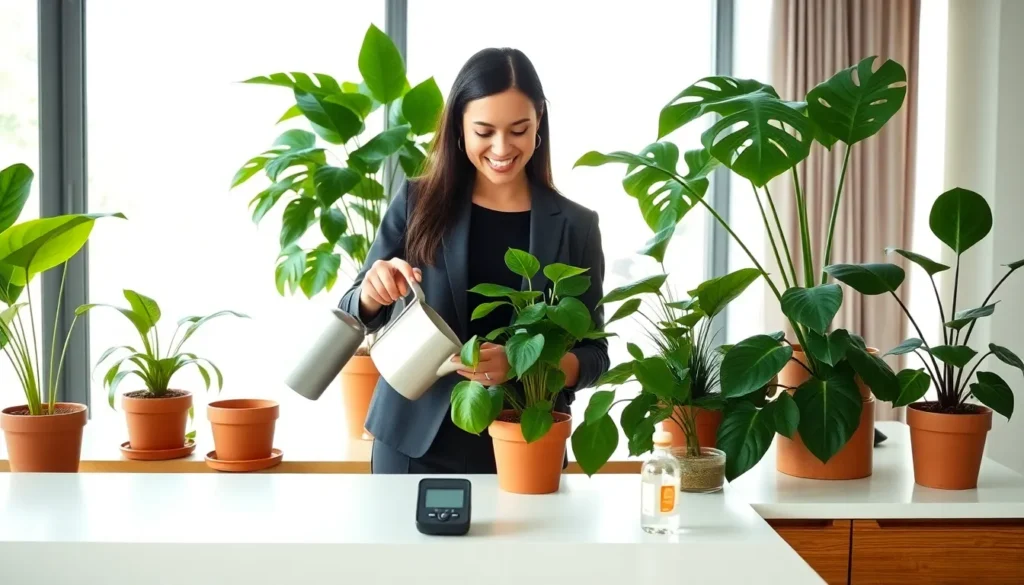
A reliable house plants tip: check the soil before watering. Stick a finger about an inch into the soil. If it feels dry, water thoroughly until liquid drains from the bottom. If it feels moist, wait a few more days. Most indoor plants prefer to dry out slightly between waterings.
Watering frequency changes with seasons. Plants need more water during spring and summer when they’re actively growing. In fall and winter, growth slows, and watering should decrease. Room temperature and humidity also affect how quickly soil dries out.
Humidity matters as much as watering for many tropical house plants. Most homes have humidity levels between 30-50%, but ferns, calatheas, and orchids prefer 50-70%. Increase humidity by grouping plants together, placing pots on pebble trays filled with water, or running a humidifier nearby.
Water quality affects plant health too. Tap water containing chlorine or fluoride can damage sensitive species. Let tap water sit overnight before using, or switch to filtered water. Room-temperature water prevents shock to plant roots.
Providing Proper Light and Temperature
Light drives photosynthesis, so getting it right is crucial. Different house plants have different light needs, and understanding these requirements prevents common problems like leggy growth or leaf drop.
South-facing windows provide the brightest indirect light in northern hemisphere homes. East-facing windows offer gentle morning sun, ideal for many flowering plants. North-facing windows give consistent low light suitable for shade-tolerant species. West-facing windows deliver intense afternoon sun that can scorch sensitive leaves.
Signs of inadequate light include slow growth, small leaves, and stems stretching toward windows. Too much light causes bleached or brown patches on leaves. One practical house plants tip is to rotate pots weekly so all sides receive equal light exposure.
If natural light falls short, grow lights fill the gap. LED grow lights are energy-efficient and produce minimal heat. Position them 6-12 inches above plants and run them 12-16 hours daily for optimal results.
Temperature stability matters for house plants. Most indoor species prefer temperatures between 65-75°F (18-24°C). Avoid placing plants near heating vents, air conditioners, or drafty windows. Sudden temperature swings stress plants and trigger leaf drop. Tropical varieties especially dislike temperatures below 55°F (13°C).
Feeding and Repotting Your Plants
House plants need nutrients to grow strong and healthy. Potting soil loses nutrients over time, so regular feeding becomes essential after the first few months.
Use a balanced liquid fertilizer diluted to half strength during the growing season (spring through early fall). Apply every 2-4 weeks depending on the plant species. Avoid fertilizing during winter when most plants enter dormancy. Over-fertilizing burns roots and causes salt buildup in soil, a common mistake among eager plant owners.
Different plants benefit from different fertilizer formulas. Flowering plants need higher phosphorus content. Foliage plants thrive with nitrogen-rich formulas. Slow-release granular fertilizers offer a low-maintenance alternative for busy schedules.
Repotting refreshes soil and gives roots room to grow. Most house plants need repotting every 1-2 years. Signs a plant needs a larger pot include roots growing through drainage holes, water running straight through without absorbing, or toppling due to top-heavy growth.
Choose a new pot only 1-2 inches larger in diameter than the current one. Pots that are too large hold excess moisture and increase rot risk. Always use containers with drainage holes, this house plants tip prevents countless problems. Fresh potting mix appropriate for the plant type completes a successful repotting.
Preventing Common Pests and Problems
Even healthy house plants encounter pests and diseases occasionally. Early detection and quick action prevent small issues from becoming major infestations.
Common indoor plant pests include spider mites, fungus gnats, mealybugs, and scale insects. Spider mites leave fine webbing on leaves and thrive in dry conditions. Fungus gnats hover around soil and indicate overwatering. Mealybugs appear as white cottony masses in leaf joints. Scale insects look like small brown bumps on stems and leaves.
Inspect plants regularly, checking the undersides of leaves where pests often hide. Quarantine new plants for 2-3 weeks before introducing them to your collection. This house plants tip alone prevents many infestations.
Treat minor pest problems with insecticidal soap or neem oil spray. Wipe leaves with a damp cloth to remove pests physically. For severe infestations, isolate the affected plant and consider discarding it to protect others.
Prevent fungal diseases by avoiding wet leaves and ensuring good air circulation. Yellow leaves often signal overwatering or nutrient deficiency rather than disease. Brown leaf tips typically indicate low humidity or fertilizer burn. Addressing the root cause resolves most problems without chemical intervention.