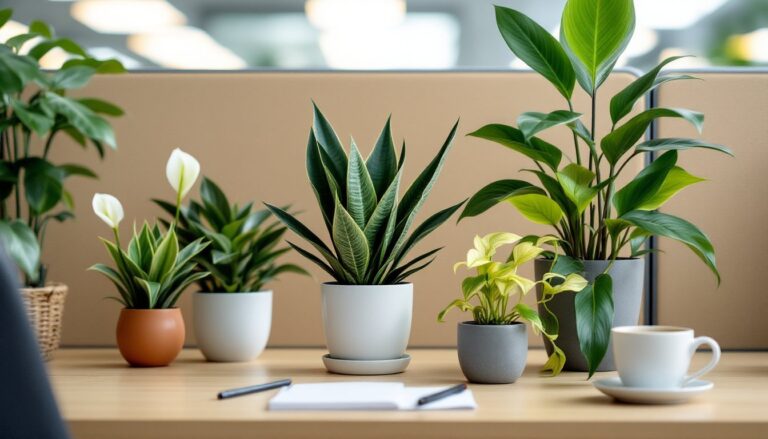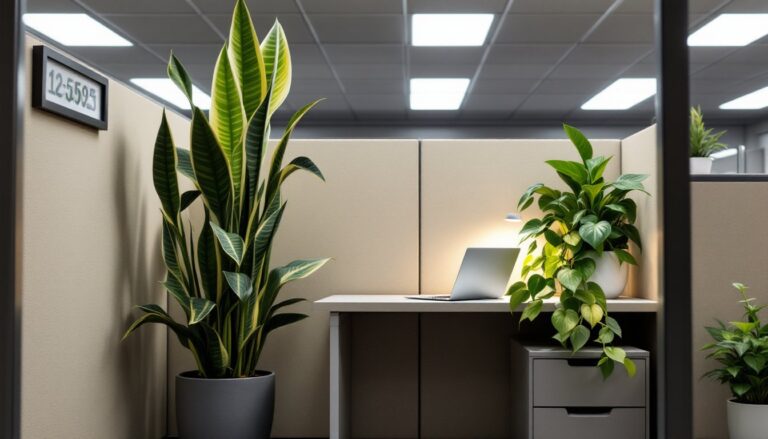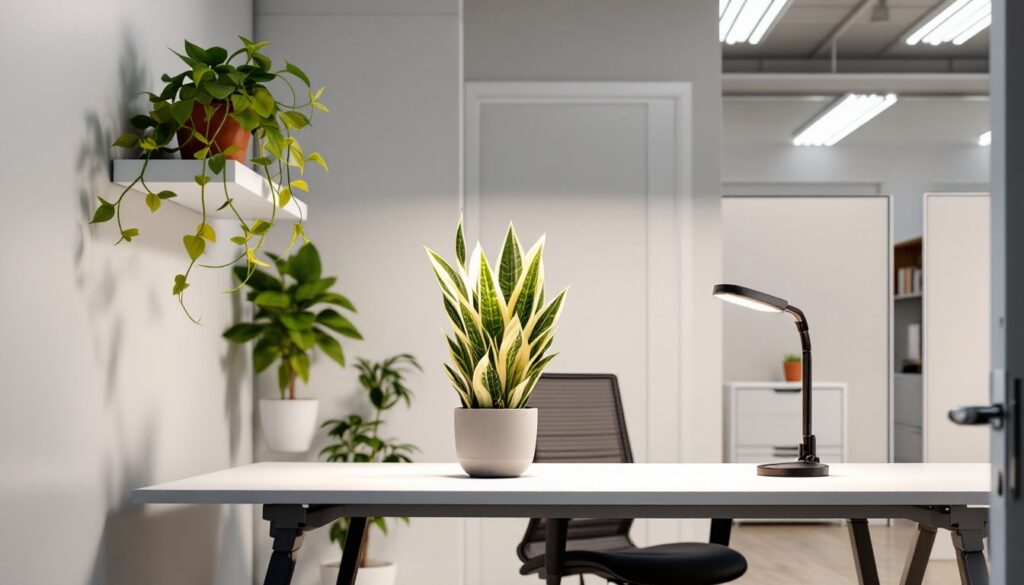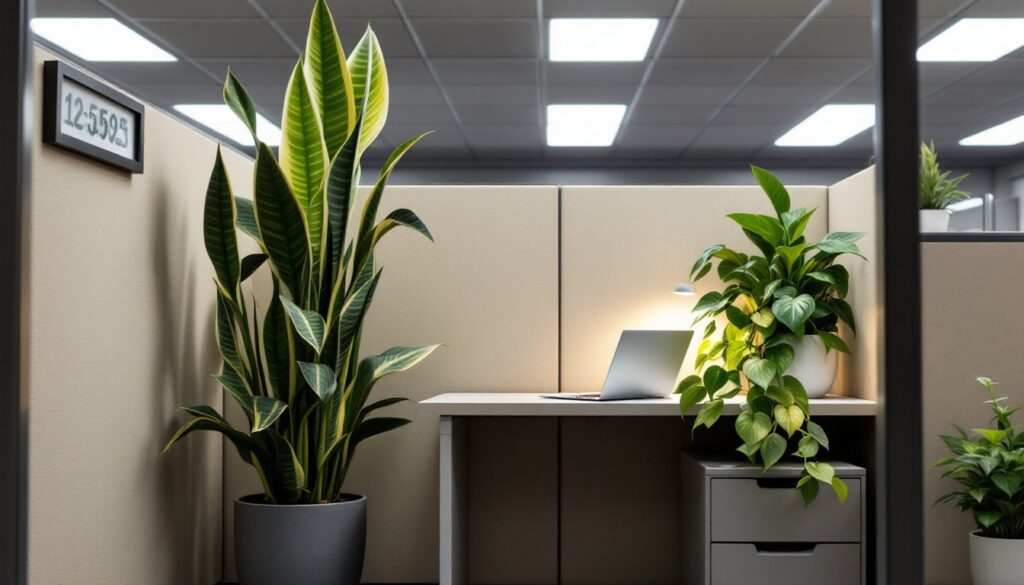

Working in a windowless office doesn’t mean giving up greenery. The right plants don’t just survive in low-light conditions, they thrive under fluorescent bulbs and artificial lighting alone. Many office-friendly species evolved under dense rainforest canopies, adapted to capture whatever light filters through. With minimal maintenance and the right setup, these plants improve air quality, reduce stress, and bring life to cubicles and conference rooms that never see direct sun. Here’s how to choose and care for plants that actually work in windowless spaces.
Table of Contents
ToggleKey Takeaways
- Plants for an office with no windows thrive under fluorescent and LED lighting without requiring direct sunlight, making them ideal for improving air quality and reducing stress in windowless spaces.
- Snake plant, pothos, and ZZ plant are the top low-light plants for offices, requiring minimal watering every 10–14 days and tolerating irregular care better than most houseplants.
- Overwatering is the primary cause of plant failure in windowless offices; check soil moisture 2 inches deep before watering to prevent root rot.
- Supplement standard office lighting with cool white fluorescent tubes (4000K–5000K) or LED grow lights positioned 6–12 inches above plants and set to run 10–12 hours daily for optimal growth.
- Regular leaf dusting every 2–3 weeks and balanced fertilizing once every 2–3 months during growing seasons keeps windowless office plants healthy with minimal maintenance.
Why Low-Light Plants Are Perfect for Windowless Offices
Low-light plants aren’t just tolerant of dim conditions, they’re built for them. Species like snake plants, pothos, and ZZ plants originate from forest floors where thick canopies block most sunlight. Their broad leaves maximize chlorophyll capture, and slow metabolisms mean they require less frequent watering and feeding than sun-loving varieties.
Fluorescent and LED office lighting provides enough spectrum for photosynthesis, especially cool white bulbs in the 4000K–5000K range. Most offices run lights 8–10 hours per weekday, which mimics a natural daylight cycle for these adaptable species. They won’t grow as fast as they would in a south-facing window, but they’ll maintain healthy foliage and even produce new growth.
Another advantage: low-light plants rarely attract pests. Spider mites and aphids prefer the warmth and brightness of sunny spots. In a controlled office environment with stable temperatures (65–75°F) and moderate humidity (30–50%), these plants remain remarkably trouble-free.
Finally, they’re forgiving. Missed a watering because of a business trip? Forgot to fertilize for six months? Low-light plants tolerate irregular care better than most houseplants, making them ideal for busy professionals who don’t have time for daily maintenance routines.
Top 5 Low-Light Plants That Survive Without Natural Sunlight
Snake Plant: The Indestructible Office Companion
Snake plant (Sansevieria trifasciata) is the go-to choice for windowless offices. Its upright, sword-shaped leaves store water in thick tissue, so it can go two to three weeks between waterings. The plant tolerates fluorescent lighting, dry air, and temperatures down to 50°F without complaint.
Mature snake plants reach 2–4 feet tall in standard office conditions, fitting neatly on floors beside desks or in corners. They’re also one of the few plants that release oxygen at night, which can improve air quality in enclosed spaces. Water only when the top 2–3 inches of soil feel completely dry, overwatering causes root rot faster than neglect kills this plant.
Safety note: Snake plants are toxic to pets if ingested, so keep them out of reach if service animals visit the office.
Pothos: Easy-Care Vines for Desks and Shelves
Pothos (Epipremnum aureum) is a trailing vine that adapts to nearly any light level, including the glow of a desk lamp. Its heart-shaped leaves come in green, variegated white-and-green, or golden varieties. Pothos grows quickly even under artificial light, expect 6–12 inches of new growth per year in typical office conditions.
This plant works well in hanging baskets or on top of filing cabinets where vines can cascade. It roots easily in water, so propagating cuttings to share with coworkers takes minimal effort. Pothos prefers evenly moist soil but recovers quickly from occasional dryness. Trim leggy vines back to the base to encourage bushier growth.
Like snake plants, pothos is toxic to pets and should be kept away from areas where animals may chew on foliage.
ZZ Plant: Tolerates Neglect and Fluorescent Lighting
ZZ plant (Zamioculcas zamiifolia) has glossy, waxy leaves that reflect available light, making the most of dim office conditions. Its thick rhizomes store water underground, allowing it to survive a month or more without watering. This makes it ideal for offices that close for holidays or long weekends.
ZZ plants grow slowly, usually 3–6 inches per year indoors, and reach 2–3 feet tall at maturity. They prefer to be pot-bound and rarely need repotting. Use a well-draining potting mix (standard indoor mix with added perlite works well) and water only when the soil is dry 2–3 inches down. Yellowing leaves usually indicate overwatering, not underwatering.
The plant’s sap can irritate skin, so wear gloves when handling or pruning. It’s also toxic if ingested, so follow the same precautions as with snake plants and pothos.
Two More Reliable Options
Cast iron plant (Aspidistra elatior) lives up to its name, tolerating neglect, low light, and temperature swings. Its broad, dark green leaves grow directly from the soil in a clumping habit. Water every 1–2 weeks and expect minimal growth, this plant won’t reward you with fast results, but it won’t die on you either.
Dracaena varieties (especially Dracaena marginata and Dracaena fragrans) adapt well to artificial light and reach 4–6 feet indoors, making a statement in larger office spaces. They prefer slightly more consistent moisture than snake plants but tolerate missed waterings. Watch for brown leaf tips, which indicate low humidity or fluoride in tap water, switch to filtered or distilled water if this becomes an issue.
How to Care for Plants in a Windowless Office Environment
Caring for plants without windows requires adjusting watering, soil, and feeding schedules to match reduced light levels.
Watering: Plants in low light photosynthesize less, so they use less water. Check soil moisture before watering, stick a finger 2 inches into the soil. If it feels damp, wait. Overwatering is the #1 killer of office plants. Most low-light species need water every 10–14 days, but this varies with pot size, humidity, and heating/cooling systems. In winter, reduce frequency as plant growth slows.
Soil and drainage: Use a well-draining potting mix, not garden soil. Standard indoor potting soil works for most species, but adding perlite (about 1 part perlite to 3 parts soil) improves drainage for snake plants and ZZ plants. Ensure pots have drainage holes, standing water causes root rot within days.
Fertilizing: Low-light plants grow slowly and need minimal feeding. Apply a balanced liquid fertilizer (10-10-10 or 20-20-20 NPK ratio) diluted to half strength once every 2–3 months during spring and summer. Skip fertilizer entirely from fall through winter unless you notice yellowing leaves or stunted growth.
Dusting: Office air circulates dust and particulates that settle on leaves, blocking light absorption. Wipe leaves with a damp cloth every 2–3 weeks to keep them clean. This also helps spot pests or disease early.
Acclimation: When bringing a new plant into a windowless office, it may drop a few leaves as it adjusts to lower light. This is normal. Don’t overcompensate by watering more, just give it 2–3 weeks to adapt.
Temperature and humidity: Most offices maintain 65–75°F, which suits low-light plants well. Avoid placing them near heating vents, air conditioning units, or exterior doors where temperature swings occur. If humidity drops below 30% (common in winter), consider a small desk humidifier or group plants together to create a microclimate.
Choosing the Right Artificial Lighting for Office Plants
Standard office lighting often provides enough for low-light plants, but adding supplemental grow lights ensures healthy growth and prevents stretching or yellowing.
Fluorescent fixtures: T5 or T8 fluorescent tubes in cool white (4000K–5000K) work well for desk plants. Position them 6–12 inches above foliage and run them 8–10 hours per day. Fluorescent bulbs lose intensity over time, so replace them every 12–18 months even if they still illuminate.
LED grow lights: LED bulbs are more energy-efficient and last longer than fluorescents. Full-spectrum LEDs (labeled 5000K–6500K) provide the blue and red wavelengths plants need. Small clip-on LED grow lights fit on desks or shelves and cost $15–$40. Position them 6–18 inches from plants depending on wattage, closer for lower-wattage bulbs (5–10W), farther for higher-wattage models (15–30W).
Timers: Use an outlet timer ($10–$15) to automate lighting schedules. Set lights to run 10–12 hours per day, mimicking natural daylight. Consistency matters more than intensity for low-light species.
What to avoid: Incandescent bulbs produce more heat than usable light and can scorch leaves. Avoid placing plants directly under them. Similarly, don’t rely solely on motion-activated office lights, plants need consistent daily exposure, not intermittent bursts.
Evaluating existing light: If you’re unsure whether your office provides enough light, observe plant behavior. Pale new growth, long stems with wide gaps between leaves, or leaves tilting toward the nearest light source indicate insufficient lighting. Conversely, scorched or bleached leaves mean the light is too intense (rare in windowless offices but possible if a grow light is too close).
For conference rooms or break areas with zero ambient light, install a dedicated grow light fixture. Suspend it 12–18 inches above plants and run it on a timer. This setup supports multiple plants and creates a focal point that doesn’t look like typical office equipment.
Final consideration: Check with building management before installing permanent fixtures or running extension cords across walkways. Most offices allow desk lamps and clip-on lights without issue, but larger setups may require approval or an electrician to ensure compliance with fire codes.