
A well-designed home office can transform the way people work. Remote work has become standard for millions of professionals, yet many still struggle with makeshift setups at kitchen tables or cramped corners. The right home office setup improves focus, reduces physical strain, and makes each workday more productive.
This guide covers everything needed to build a home office that actually works. From selecting the ideal location to choosing furniture, lighting, and organization systems, each element plays a role in creating a space where great work happens.
Table of Contents
ToggleKey Takeaways
- A well-designed home office improves focus, reduces physical strain, and boosts daily productivity.
- Choose a consistent, quiet location with natural light and adequate power outlets for your home office setup.
- Invest in an ergonomic chair and properly positioned monitor to prevent long-term back and eye strain.
- Reduce distractions by using noise-canceling headphones, website blockers, and clear boundaries with household members.
- Keep your home office organized with designated storage spots and weekly 15-minute cleaning sessions.
- Maintain consistent work hours to train your brain to enter focus mode when sitting at your desk.
Choosing the Right Space for Your Home Office
Location matters more than most people realize. The ideal home office space offers quiet, privacy, and enough room to work comfortably. A spare bedroom works well because it provides separation from household activity. But, not everyone has that luxury.
Those working in smaller homes can convert a closet, section off part of a living room, or use a dedicated corner in the bedroom. The key is consistency, using the same spot each day helps the brain associate that area with focused work.
Consider these factors when choosing a home office location:
- Natural light access: Windows reduce eye strain and improve mood
- Noise levels: Avoid high-traffic areas near kitchens or front doors
- Temperature control: Spaces near exterior walls may run hot or cold
- Power outlets: Ensure adequate electrical access without relying on extension cords
A door that closes is ideal but not required. Even a visual barrier like a bookshelf or room divider can signal to family members that work is in progress. The home office should feel separate from leisure spaces, even if it technically shares square footage with them.
Essential Furniture and Equipment
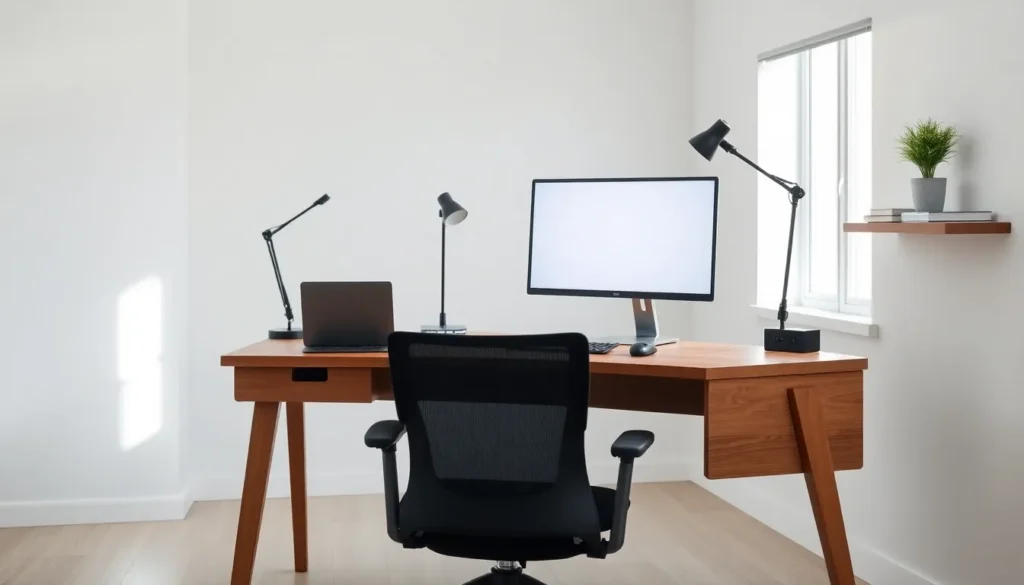
Every home office needs a few core items to function properly. The desk serves as the foundation. It should be large enough to hold a computer, keyboard, and mouse with room to spare. Standing desks have gained popularity because they allow workers to alternate between sitting and standing throughout the day.
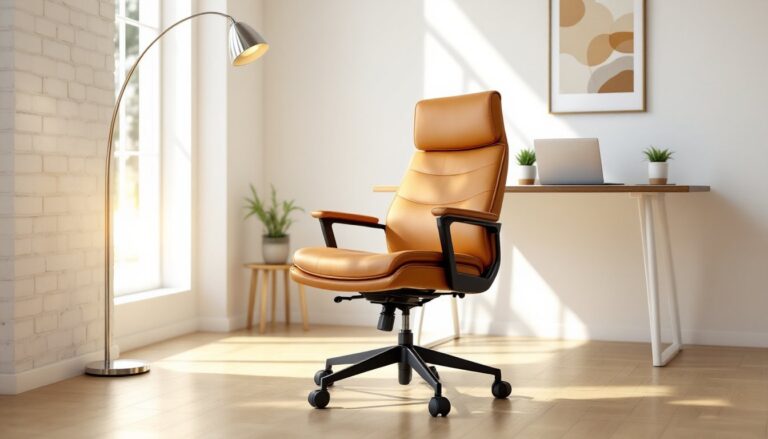
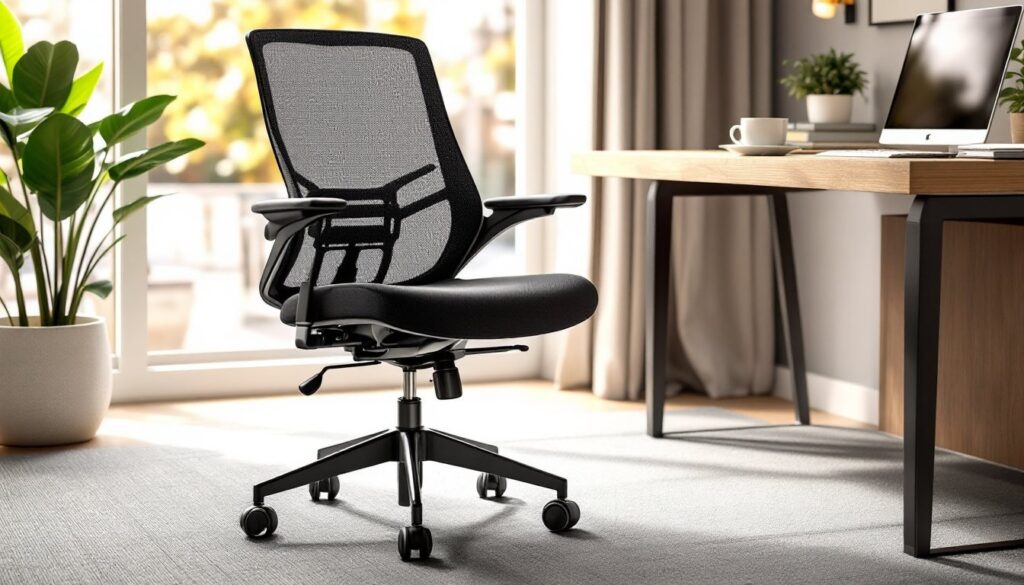
The chair is arguably the most important purchase. A quality ergonomic chair supports the lower back, promotes good posture, and reduces fatigue during long work sessions. Cheap chairs may save money upfront but often cause back pain within months.
Basic home office equipment includes:
- Computer or laptop: Choose based on job requirements
- External monitor: A larger screen reduces eye strain and increases productivity
- Keyboard and mouse: Ergonomic options prevent wrist issues
- Webcam and microphone: Essential for video calls
- Surge protector: Protects equipment from power spikes
Storage solutions also matter. Filing cabinets, desk drawers, and shelving units keep documents and supplies organized. A cluttered desk leads to a cluttered mind. Smart storage prevents small items from piling up and creating visual chaos.
Wireless peripherals reduce cable clutter on the desk surface. A good router ensures stable internet connections for video conferencing and file uploads. These pieces of equipment form the backbone of any functional home office setup.
Optimizing Lighting and Ergonomics
Poor lighting causes headaches, eye strain, and fatigue. Natural light is best, so positioning the desk near a window helps significantly. But, direct sunlight on a computer screen creates glare problems. The ideal setup places the desk perpendicular to the window rather than directly facing it.
Task lighting fills gaps when natural light isn’t available. A desk lamp with adjustable brightness allows customization based on time of day and task requirements. Overhead lighting should be bright enough to illuminate the room without creating harsh shadows.
Ergonomics determines long-term comfort and health. The home office chair should allow feet to rest flat on the floor with thighs parallel to the ground. Armrests should support the forearms at a 90-degree angle.
Proper monitor placement follows specific guidelines:
- Distance: An arm’s length away from the face
- Height: The top of the screen at or slightly below eye level
- Angle: Tilted slightly upward to reduce neck strain
Keyboard and mouse height matters too. Wrists should remain neutral, not bent upward or downward. A keyboard tray that slides under the desk can achieve the correct position when the desk itself is too high.
Those who experience discomfort after implementing these changes might consider a footrest, monitor arm, or wrist rest. Small adjustments in the home office can prevent chronic pain issues that develop over months or years of poor positioning.
Minimizing Distractions and Staying Organized
Distractions kill productivity faster than almost anything else. The home office should be a space where focus comes naturally. Start by identifying common interruptions. Children, pets, phone notifications, and household chores frequently pull attention away from work.
Solutions vary based on the distraction source. Noise-canceling headphones block ambient sounds. A “do not disturb” sign on the door communicates availability to family members. Scheduling household tasks before or after work hours eliminates the temptation to multitask.
Digital distractions require their own strategies:
- Phone placement: Keep personal phones in another room or in a drawer
- Browser extensions: Tools like website blockers limit access to social media during work hours
- Notification management: Turn off non-essential alerts on all devices
Organization systems prevent wasted time searching for documents or supplies. A home office should have designated spots for everything. Incoming papers go in one tray. Completed work goes in another. Supplies stay in labeled drawers or containers.
Weekly cleaning sessions keep the home office functional. Fifteen minutes each Friday to file papers, delete unnecessary files, and wipe down surfaces maintains order. A clean workspace at the start of each week removes mental friction and allows immediate focus on important tasks.
Routines also reduce distractions. Starting and ending work at consistent times trains the brain to enter “work mode” when sitting at the home office desk.