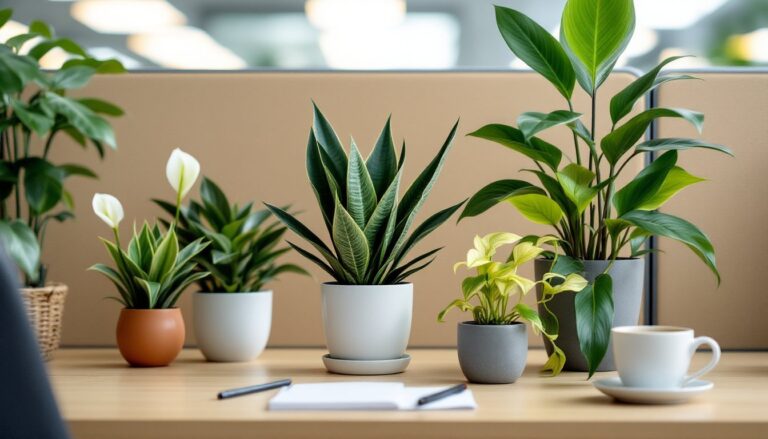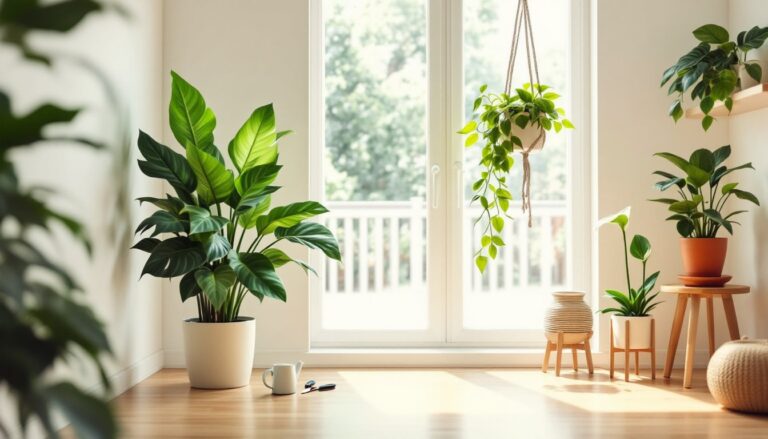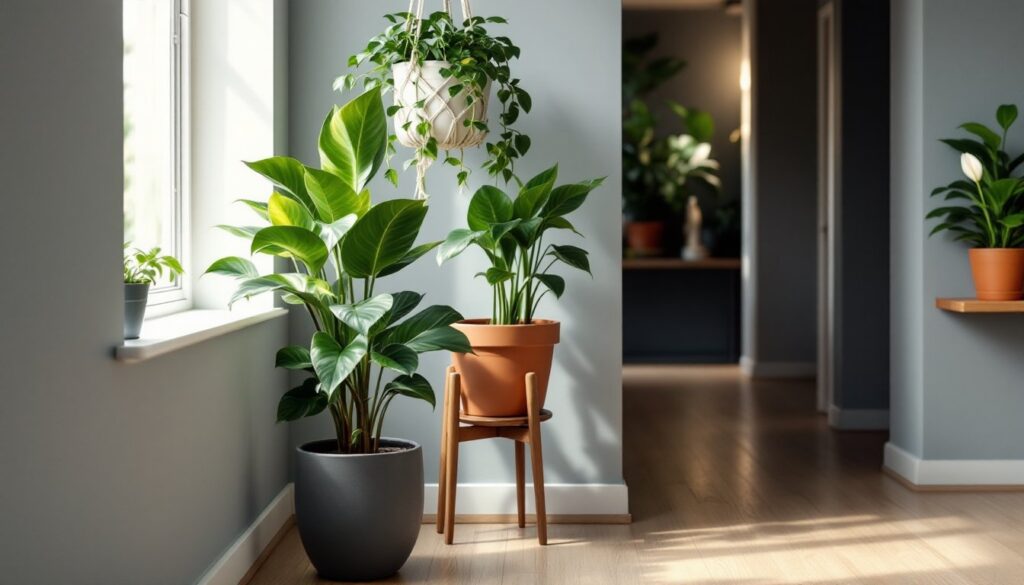

Not every home has south-facing windows or bright, airy rooms. Hallways, bathrooms, basements, and north-facing corners are all candidates for greenery, if a homeowner picks the right plants. Low light house plants aren’t just survivors: the best varieties actually thrive in shade, maintaining their color, shape, and growth rate without leggy stems or pale leaves. The key is matching the plant’s natural habitat to the home’s conditions. This guide covers eleven proven low light performers, what makes them suitable for dim spaces, and how to keep them healthy without expensive grow lights or constant repositioning.
Table of Contents
ToggleKey Takeaways
- Best low light house plants thrive in dim conditions by maintaining healthy foliage and color without leggy stems, unlike plants that merely tolerate shade.
- Snake plant, pothos, and ZZ plant are indestructible low light champions that store water and survive weeks without watering, making them ideal for forgetful plant owners.
- Overwatering is the primary killer of low light house plants because slow photosynthesis means slower water consumption—always check soil moisture before watering.
- Low light plants need well-draining potting soil and pots with drainage holes; without them, root rot develops regardless of careful watering practices.
- Even shade-loving varieties require indirect light (50–150 foot-candles), not complete darkness—truly windowless spaces need supplemental LED grow lights to sustain plant health.
- Dust leaves regularly and rotate pots quarterly to maximize photosynthesis and prevent uneven growth, while feeding low light plants only once every two to three months during growing season.
What Makes a House Plant Suitable for Low Light?
Low light doesn’t mean no light. It refers to spaces that receive indirect light or are positioned far from windows, typically areas where it’s difficult to read a book comfortably without artificial lighting. In horticultural terms, this is roughly 50 to 150 foot-candles of light, compared to the 400+ foot-candles many flowering plants demand.
Plants adapted to low light often originate from forest floors or understory environments where the canopy filters sunlight. Their leaves tend to be larger and darker green to maximize chlorophyll capture. They photosynthesize more slowly, which translates to slower growth and lower water and nutrient demands. This makes them forgiving for homeowners who travel or forget to water on schedule.
A plant labeled “low light tolerant” will survive in dim conditions but may not grow much. True low light thrivers maintain healthy foliage, produce new leaves, and retain their natural shape without supplemental lighting. These are the plants worth selecting for interior spaces like bathrooms, offices, or hallways with limited natural light.
Understanding the difference between tolerance and preference prevents disappointment. A plant that merely tolerates low light may lose variegation, drop lower leaves, or stretch toward any available light source. Plants that prefer or thrive in low light maintain compact growth and vibrant color even in dim corners.
Top Low Light House Plants That Actually Thrive
Snake Plant: The Indestructible Low Light Champion
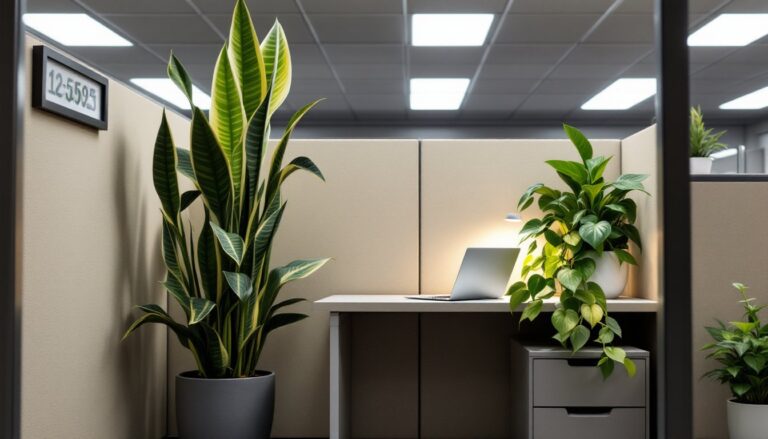
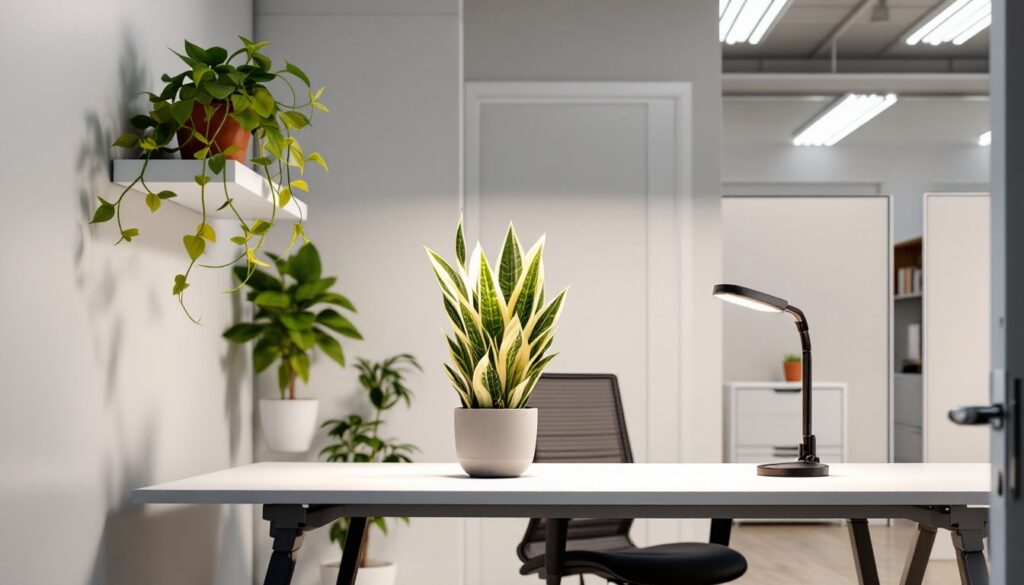
Snake plant (Sansevieria trifasciata), also sold as mother-in-law’s tongue, tolerates near-neglect better than almost any other house plant. Its thick, upright leaves store water, allowing it to go weeks without irrigation. In low light, growth slows to a crawl, but the plant maintains its structural integrity and deep green color with yellow margins (in variegated varieties).
Snake plants perform best in containers with drainage holes and well-draining potting mix, cactus mix works well. Overwatering is the primary killer: the soil should dry completely between waterings. In a dim bathroom or hallway, watering every three to four weeks is often sufficient. The plant also tolerates a wide temperature range (50°F to 85°F), making it suitable for basements or drafty entryways.
One caution: snake plants are mildly toxic to pets if ingested, causing nausea or vomiting. Place them out of reach if cats or dogs tend to chew foliage.
Pothos: The Cascading Beauty That Loves Shade
Pothos (Epipremnum aureum) is a vining plant that thrives in low to moderate light, making it ideal for hanging baskets or shelves where its trailing stems can cascade. The heart-shaped leaves come in several varieties, golden pothos features yellow variegation, while marble queen displays white and green patterns. In lower light, variegation may fade slightly, but the plant continues to grow and remains healthy.
Pothos roots easily in water, which makes propagation simple: cut a 4- to 6-inch stem section just below a node, place it in a glass of water, and wait for roots to develop. Once roots reach 2 to 3 inches, transplant into soil. This allows homeowners to expand their collection or share cuttings without purchasing new plants.
Water when the top inch of soil feels dry to the touch. Pothos prefers consistent moisture but tolerates occasional drying out. Yellowing leaves usually indicate overwatering, while brown tips suggest underwatering or low humidity. In particularly dry homes, occasional misting or placing the pot on a pebble tray with water can help.
Like snake plants, pothos is toxic to pets and children if ingested. The calcium oxalate crystals in the leaves cause irritation and swelling.
ZZ Plant: Perfect for Forgetful Plant Parents
ZZ plant (Zamioculcas zamiifolia) is nearly impossible to kill. Its thick, waxy leaves and rhizomatous roots store water and nutrients, allowing it to survive in dim conditions with infrequent watering. The plant’s upright, arching stems give it a sculptural quality that works well in modern or minimalist interiors.
ZZ plants grow slowly in low light, often producing only one or two new stems per year. This makes them low-maintenance: repotting is rarely needed more than once every two to three years. Use a pot only slightly larger than the root ball, as ZZ plants prefer being slightly root-bound.
Watering frequency depends on light and temperature, but in low light conditions, once a month is often adequate. The rhizomes will rot if kept consistently wet. Brown or mushy stems indicate overwatering and should be removed at the base with clean pruning shears.
ZZ plants tolerate low humidity and fluctuating temperatures, but they prefer warmth. Keep them away from cold drafts or temperatures below 45°F. The plant is also toxic if ingested, so handle with care around pets and children.
Additional Low Light Performers:
- Cast iron plant (Aspidistra elatior): Lives up to its name: tolerates neglect, low light, and temperature swings. Slow-growing with dark green, leathery leaves.
- Dracaena (various species): Many varieties tolerate low light. Look for Dracaena marginata (dragon tree) or Dracaena fragrans (corn plant). Avoid overwatering.
- Philodendron (heartleaf varieties): Similar care to pothos. Tolerates shade and irregular watering.
- Peace lily (Spathiphyllum): Produces white blooms even in low light. Prefers consistent moisture and will visibly wilt when thirsty, then perk up after watering.
- Chinese evergreen (Aglaonema): Colorful foliage in shades of green, silver, pink, and red. Thrives in low light and high humidity.
- Parlor palm (Chamaedorea elegans): A true low light palm. Grows slowly and prefers evenly moist soil.
- Spider plant (Chlorophytum comosum): Adaptable and easy to propagate from plantlets. Tolerates low light but grows faster in brighter conditions.
- Calathea (prayer plant): Prefers low to moderate light and high humidity. Leaves fold up at night. Can be fussy about water quality: use filtered or distilled water if tap water causes browning.
How to Care for Low Light House Plants
Watering: Low light plants photosynthesize slowly, which means they use less water. Overwatering is the most common mistake. Check soil moisture by inserting a finger 1 to 2 inches deep: if it’s dry, water thoroughly until it drains from the bottom. Empty saucers after 15 minutes to prevent root rot.
Soil and Drainage: Use a well-draining potting mix. Standard indoor potting soil works for most low light plants, but adding perlite or orchid bark improves drainage for moisture-sensitive species like snake plants and ZZ plants. All pots must have drainage holes.
Fertilizing: Low light plants grow slowly and need less fertilizer than their sun-loving counterparts. Feed once every two to three months during spring and summer using a balanced, water-soluble fertilizer diluted to half strength. Skip fertilizing in fall and winter when growth naturally slows.
Dusting Leaves: Dust blocks light and reduces photosynthesis. Wipe leaves gently with a damp cloth every few weeks, or rinse plants in the shower (room temperature water) if they’re small enough to move easily.
Humidity: Most low light tropicals prefer humidity levels between 40% and 60%. In dry climates or during winter when heating systems run, group plants together, use a humidifier, or place pots on trays filled with pebbles and water (pot bottoms should sit above the waterline).
Rotation: Even low light plants benefit from occasional rotation. Turn pots a quarter turn every few weeks to ensure even growth and prevent leaning toward the light source.
Repotting: Low light plants grow slowly and rarely need repotting. When roots begin circling the drainage holes or the plant becomes top-heavy, move up to a pot 1 to 2 inches larger in diameter. Refresh the soil even if the pot size stays the same.
Common Mistakes to Avoid with Shade-Loving Plants
Overwatering in Low Light: Plants in dim conditions use water slowly. A watering schedule that works in a bright kitchen won’t suit a bathroom with no windows. Always check soil moisture before watering.
Using Pots Without Drainage: No matter how carefully someone waters, pots without drainage holes eventually lead to root rot. If a decorative pot lacks drainage, use it as a cachepot, place the plant in a slightly smaller nursery pot with holes, then set that inside the decorative container.
Ignoring Yellowing Leaves: Yellow leaves signal a problem, usually overwatering, poor drainage, or nutrient deficiency. Remove affected leaves and adjust care. If multiple leaves yellow rapidly, check for root rot by gently removing the plant from its pot and inspecting roots, they should be white or tan, not black or mushy.
Assuming All Low Light Plants Are the Same: A pothos and a calathea both tolerate low light, but the calathea demands high humidity and consistent moisture while the pothos forgives neglect. Match the plant’s specific needs to the home’s conditions.
Placing Plants in True Darkness: Low light is not no light. A windowless basement or a closet won’t support plant growth without supplemental lighting. If natural light is absent, consider a small LED grow light rated for low-light plants. A 15-watt bulb on a timer for 10 to 12 hours daily can keep plants healthy in otherwise dark spaces.
Skipping Pest Checks: Low light doesn’t prevent pests. Spider mites, mealybugs, and fungus gnats all target indoor plants. Inspect leaves (tops and undersides) and soil regularly. Treat infestations early with insecticidal soap or neem oil, following product instructions.
Low light house plants offer a practical solution for bringing greenery into dim corners without the expense or hassle of grow lights and complicated care routines. The varieties listed here tolerate neglect, survive in less-than-ideal conditions, and reward minimal effort with steady growth and year-round foliage. Match the plant to the space, resist the urge to overwater, and even the darkest hallway can host something green.