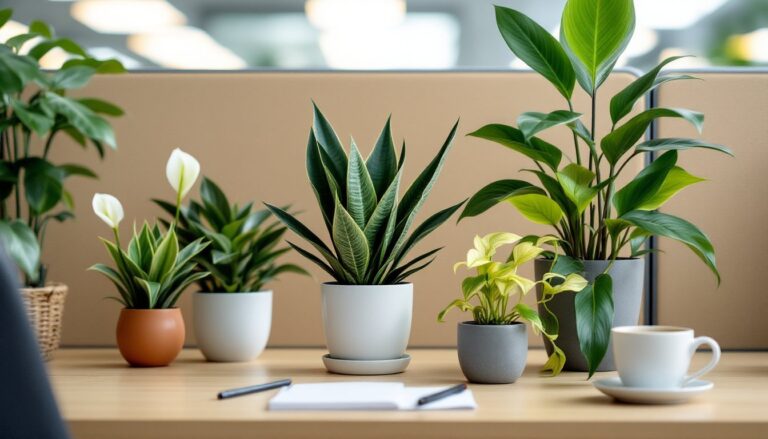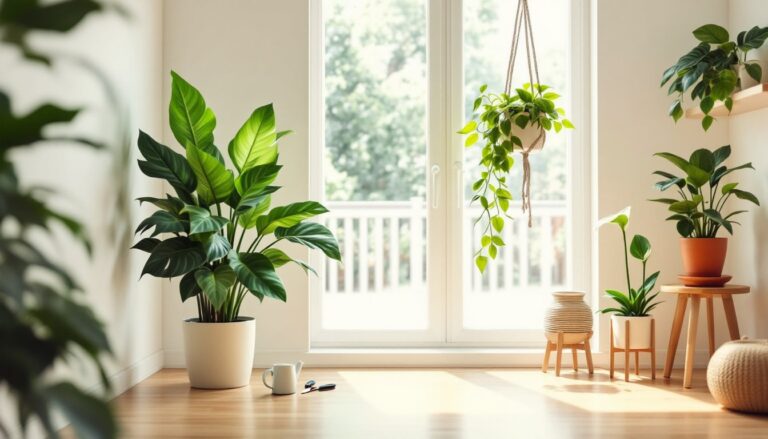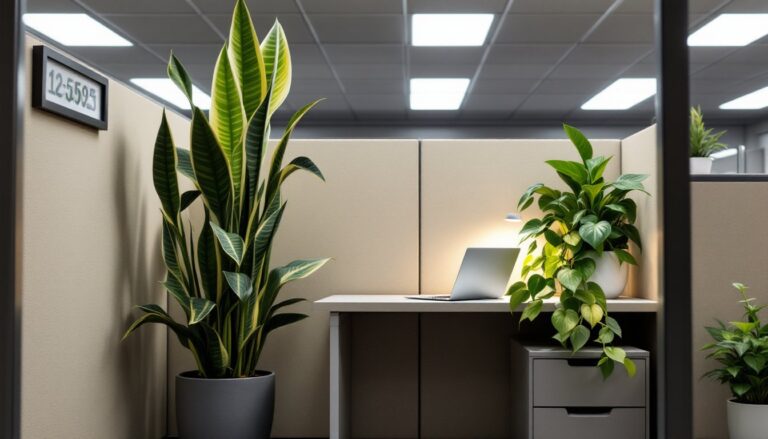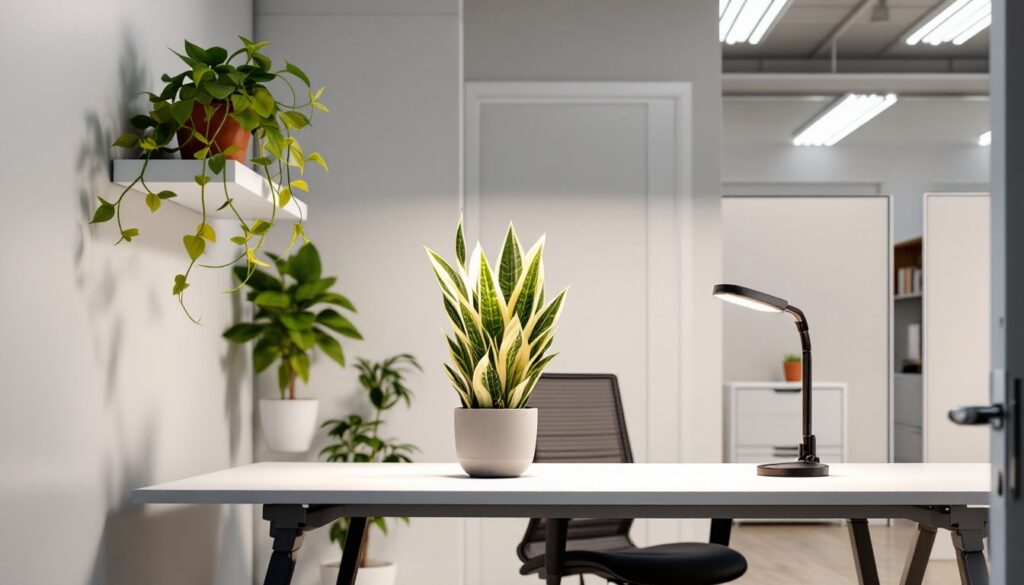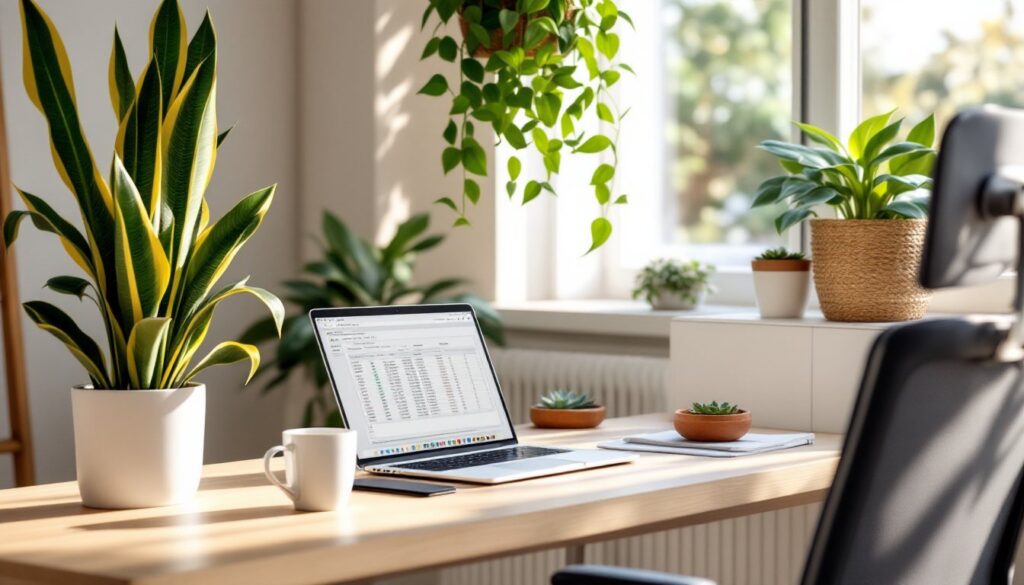

Office plants do more than fill empty corners, they filter air, reduce stress, and improve focus in spaces dominated by screens and fluorescent lights. A 2023 study from the University of Exeter found that workplaces with greenery see a 15% boost in productivity compared to sterile environments. But not every plant survives the harsh realities of office life: irregular watering, low natural light, and fluctuating temperatures. The best office plants tolerate neglect, thrive in artificial light, and don’t demand constant attention. This guide covers 15 proven picks that handle the typical office environment, along with practical care tips that fit into a busy workday.
Table of Contents
ToggleKey Takeaways
- Best plants for the office, like snake plants and pothos, tolerate neglect, low artificial light, and irregular watering—making them ideal for busy professionals.
- Office plants with low-light tolerance boost productivity by 15% while filtering air toxins like formaldehyde and benzene commonly found in office furniture and electronics.
- Overwatering causes most office plant deaths; allow soil to dry between waterings and use pots with drainage holes to prevent root rot.
- Desk-friendly compact plants under 12 inches tall, such as succulents and peperomia, add greenery to small workspaces without crowding keyboards or monitors.
- Greenery in workspaces reduces stress, eye strain, and noise while increasing job satisfaction through biophilic design elements like spider plants and peace lilies.
- Supplement low natural light with full-spectrum LED grow lights (6500K color temperature) positioned 12–18 inches above plants for 8–12 hours daily.
Why Office Plants Matter for Your Workspace
Plants improve indoor air quality by absorbing carbon dioxide and releasing oxygen, but certain species also remove volatile organic compounds (VOCs) like formaldehyde and benzene, common offgases from office furniture, carpets, and electronics. NASA’s Clean Air Study identified several houseplants capable of filtering these toxins at measurable rates.
Beyond air quality, greenery reduces ambient noise through sound absorption, particularly useful in open-plan offices with hard surfaces. Plants also regulate humidity by releasing moisture through transpiration, which can offset the drying effects of HVAC systems.
Psychological benefits are equally tangible.Visible greenery lowers cortisol levels and reduces eye strain during screen-heavy tasks. Employees report higher job satisfaction in biophilic office designs, spaces that incorporate natural elements. A single potted plant on a desk or a larger specimen in a common area can shift the atmosphere from clinical to livable.
Top Low-Light Office Plants That Thrive Indoors
Most office spaces rely on overhead fluorescent or LED lighting, not windows. These plants tolerate low to moderate indirect light and won’t wilt under artificial conditions.
Snake Plant (Sansevieria trifasciata) handles neglect better than most succulents. Its upright, sword-like leaves grow 12 to 48 inches tall depending on variety. Water every 2 to 3 weeks, overwatering kills it faster than drought. It tolerates temps from 55°F to 85°F and filters formaldehyde.
ZZ Plant (Zamioculcas zamiifolia) has glossy, waxy leaves that reflect light, making dim corners look intentional. Its rhizome stores water, so monthly watering works fine. Growth is slow but steady, reaching 2 to 3 feet in ideal conditions.
Pothos (Epipremnum aureum) is a trailing vine that softens cubicle edges or sits on a file cabinet. It grows in water or soil and tolerates erratic watering. Trim back vines that get leggy to encourage bushier growth. It removes xylene and benzene but is toxic to pets, don’t bring it home if there’s a dog in the house.
Cast Iron Plant (Aspidistra elatior) earned its name by surviving Victorian parlors with coal dust and gas lamps. It grows slowly, prefers temps between 50°F and 75°F, and doesn’t mind drafts from HVAC vents.
Best Air-Purifying Plants for Healthier Office Air
Air purification claims get exaggerated, but certain plants do filter specific compounds in controlled studies. For meaningful results, you’d need roughly one plant per 100 square feet of office space, according to researchers at Portland State University.
Peace Lily (Spathiphyllum) removes ammonia, benzene, and trichloroethylene. It blooms white spathes under low light and signals when it needs water by drooping slightly, then perks up within hours of watering. Keep soil moist but not soggy. It’s toxic if ingested, so avoid desks near breakrooms where food gets set down.
Spider Plant (Chlorophytum comosum) produces cascading offshoots (spiderettes) that root easily in water. It filters carbon monoxide and xylene. Browning leaf tips usually indicate fluoride in tap water, switch to distilled or rainwater if that’s an issue.
Boston Fern (Nephrolepis exaltata) prefers high humidity but adapts to offices if misted once or twice a week. It removes formaldehyde and xylene. Place it on a tray filled with pebbles and water to raise local humidity without soggy roots.
Rubber Plant (Ficus elastica) has broad, glossy leaves that trap dust and release oxygen. Wipe leaves monthly with a damp cloth to maintain photosynthesis efficiency. It grows tall, 6 to 10 feet indoors, so it works better in lobbies or conference rooms than cubicles.
Desk-Friendly Plants for Small Workspaces
Compact plants fit on desks without crowding keyboards or monitors. Look for specimens under 12 inches tall with controlled growth habits.
Succulents (Echeveria, Haworthia, Aloe) need bright indirect light, a desk near a window works best. Water every 10 to 14 days in small pots with drainage holes. Use cactus soil mix, which drains faster than standard potting mix. Overwatering causes root rot: leaves will yellow and soften.
Air Plants (Tillandsia) don’t need soil, just mist them 2 to 3 times a week or soak for 20 minutes once weekly. They absorb moisture and nutrients through their leaves. Display them in glass terrariums or mounted on driftwood. Bright, indirect light keeps them healthy.
Lucky Bamboo (Dracaena sanderiana) isn’t true bamboo but grows in water or soil. Keep water level covering roots and change it every 2 to 3 weeks to prevent algae. It tolerates low light and fits in narrow vases.
Peperomia (Peperomia obtusifolia) has thick, rounded leaves and grows 6 to 12 inches tall. It prefers soil that dries out between waterings and tolerates artificial light. Compact varieties like Peperomia ‘Rosso’ add color without sprawl.
Low-Maintenance Plants for Busy Professionals
Low-maintenance means forgiving watering schedules, minimal pruning, and tolerance for temperature swings when the HVAC shuts off overnight or on weekends.
Dracaena (Dracaena marginata, Dracaena fragrans) varieties grow slowly and handle inconsistent light. Water when the top 2 inches of soil feel dry. Yellow leaves signal overwatering: brown tips indicate low humidity or fluoride buildup. They reach 3 to 6 feet but can be pruned to control height.
Chinese Evergreen (Aglaonema) has variegated foliage in silver, pink, or red patterns. It grows in low light and prefers temps above 60°F. Water weekly and wipe dust off leaves to maintain color vibrancy.
Parlor Palm (Chamaedorea elegans) brings a tropical look without the fuss. It grows 2 to 6 feet tall and tolerates low light. Water when the top inch of soil dries out. It’s safe for pets, unlike most palms.
Philodendron (Philodendron hederaceum) is a trailing or climbing plant with heart-shaped leaves. It grows fast in moderate light and tolerates missed waterings. Trim back vines to prevent legginess and root cuttings in water for more plants.
Essential Care Tips for Keeping Office Plants Alive
Most office plant deaths result from overwatering, not neglect. Soil should dry out between waterings, stick a finger 1 to 2 inches deep to check moisture before adding water. Use pots with drainage holes and saucers to catch overflow. Dump standing water after 15 minutes to prevent root rot.
Lighting matters more than location. A desk 10 feet from a window gets less light than one 3 feet away. If natural light is minimal, supplement with a full-spectrum LED grow light rated for 6500K color temperature. Position it 12 to 18 inches above the plant and run it 8 to 12 hours daily.
Rotate plants weekly so all sides get equal light exposure. This prevents lopsided growth and keeps foliage dense.
Fertilize sparingly. Office plants grow slower than outdoor specimens. Use a balanced 10-10-10 liquid fertilizer diluted to half strength once every 4 to 6 weeks during spring and summer. Skip fertilizer in fall and winter when growth slows.
Watch for pests. Spider mites, fungus gnats, and mealybugs thrive in indoor environments. Yellowing leaves, sticky residue, or visible webbing indicate trouble. Wipe leaves with a damp cloth or use insecticidal soap if infestations spread. Isolate affected plants to protect others.
Repot every 12 to 18 months or when roots circle the pot’s interior. Go up one pot size, 2 inches larger in diameter, and refresh soil to restore nutrients.
Conclusion
Office plants aren’t decoration, they’re functional tools that improve air quality, reduce stress, and make workspaces more tolerable. The 15 species covered here tolerate low light, irregular watering, and the environmental quirks of climate-controlled buildings. Start with one or two forgiving varieties like pothos or snake plants, learn their rhythms, then expand. A thriving office plant proves you can keep something alive under fluorescent lights, and that’s more rewarding than it sounds.