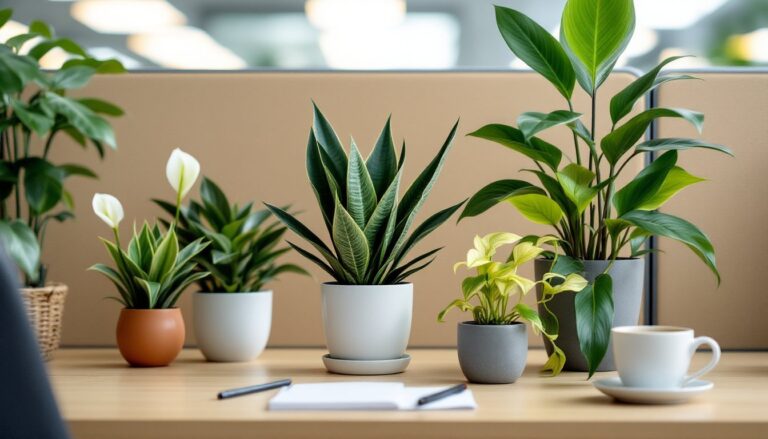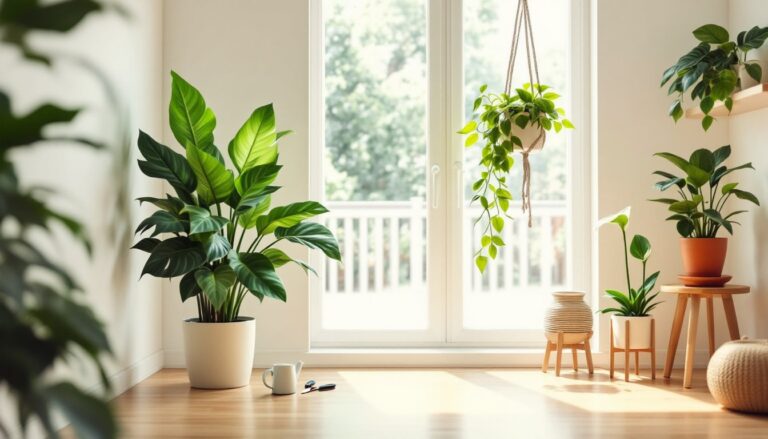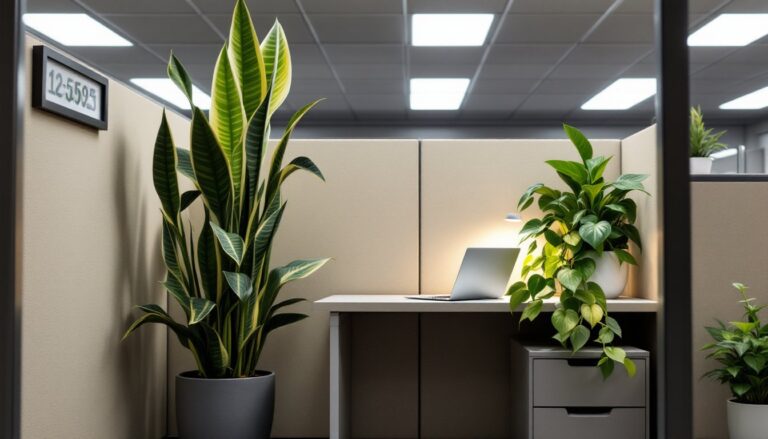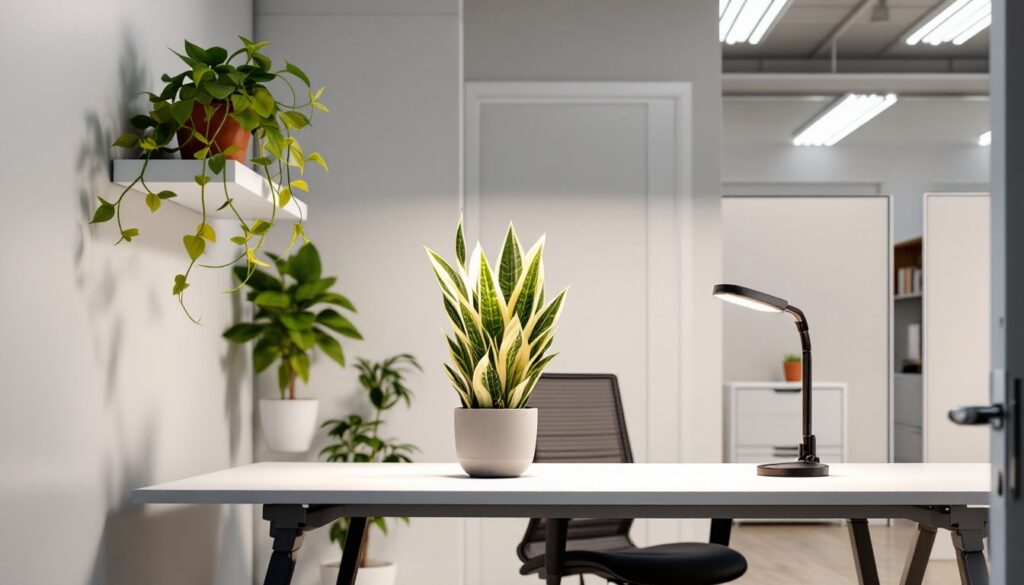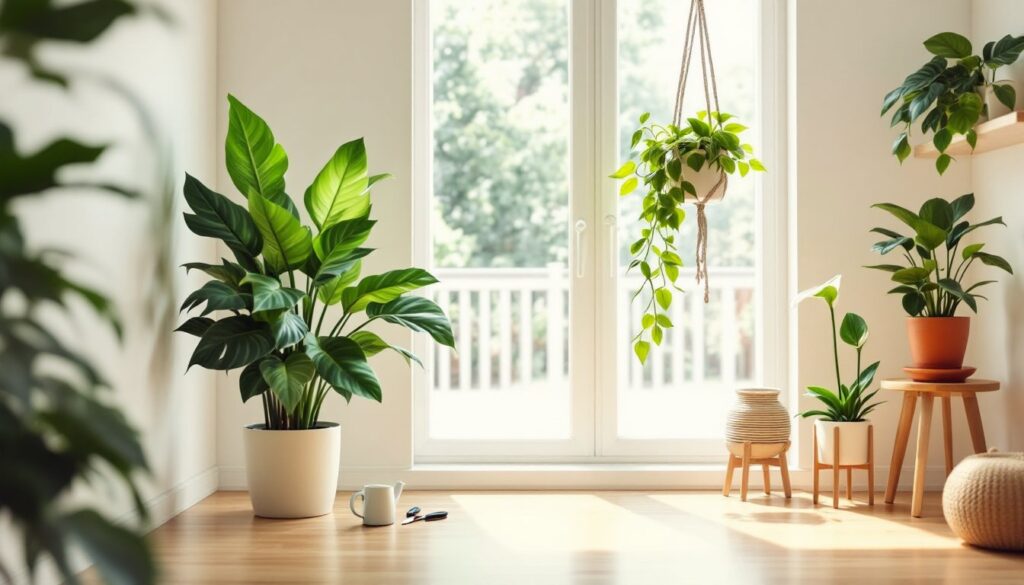

Starting a houseplant collection shouldn’t feel like signing up for botanical boot camp. Yet many first-time plant owners grab whatever looks pretty at the garden center, only to watch it turn brown within weeks. The difference between thriving plants and dead ones often comes down to matching species to skill level. Beginner-friendly houseplants tolerate irregular watering, survive in less-than-ideal light, and don’t demand daily attention. They’re forgiving enough to handle mistakes while a new plant parent learns the basics of soil moisture, light requirements, and when to actually repot. This guide covers proven low-maintenance varieties that deliver greenery without the guesswork.
Table of Contents
ToggleKey Takeaways
- Beginner-friendly houseplants share key traits like drought tolerance, adaptable light requirements, and slow growth that make them forgiving of common mistakes.
- Snake plant, pothos, ZZ plant, spider plant, and peace lily are the top low-maintenance houseplants for new plant parents due to their resilience and minimal care demands.
- Water beginner houseplants only when soil is dry to the touch, as overwatering is one of the most common causes of failure in starter plant collections.
- Many popular beginner houseplants like snake plant, pothos, peace lily, and ZZ plant are toxic to pets, so placement away from curious cats and dogs is essential.
- The visual feedback from pothos and peace lily drooping when thirsty helps beginners learn proper watering rhythms without having to guess.
- Spider plants are non-toxic to pets and can propagate easily from babies, making them ideal for plant parents looking to expand their collection affordably.
Why Some Houseplants Are Perfect for Beginners
Not all plants respond the same way to missed waterings or a spot six feet from the nearest window. Beginner-friendly houseplants share specific traits that make them resilient in typical home environments, traits that fussy tropicals and finicky specimens simply don’t have.
Drought tolerance ranks high on the list. Plants like succulents and those with thick, waxy leaves store water in their tissues, so they can go a week or two without a drink and bounce back. This built-in buffer gives beginners breathing room to learn what “dry soil” actually feels like without killing the plant in the process.
Adaptable light requirements matter just as much. Low-light tolerant plants can handle north-facing windows, interior corners, or rooms without direct sun. They won’t thrive in a closet, but they survive in conditions that would send a fiddle-leaf fig into shock. Most beginner plants do fine in indirect bright light or even moderate shade, which covers most living spaces.
Slow growth and infrequent repotting also help. Fast-growing, high-maintenance plants need regular pruning, bigger pots, and constant attention. Starter plants grow steadily but not aggressively, so a beginner can leave them in the original nursery pot for a year or more without issue.
Pest resistance is the final factor. Some plants attract spider mites, aphids, or fungus gnats the moment conditions shift. Hardy beginner varieties shrug off minor pest pressure and don’t collapse at the first sign of trouble. They also tolerate average household humidity, no need for misters or pebble trays.
These traits combined mean fewer decisions, less daily monitoring, and a much higher success rate. A beginner doesn’t need to become a botanist overnight: they just need a plant that cooperates while they learn.
Top 5 Low-Maintenance Houseplants for New Plant Parents
The following five plants consistently rank as the most forgiving options for beginners. They tolerate common mistakes, adapt to varied home conditions, and don’t require specialized care routines.
Snake Plant: The Unkillable Classic
Snake plant (Sansevieria trifasciata, also sold as Dracaena trifasciata) earns its reputation as nearly indestructible. Its stiff, upright leaves store water like a cactus, so it survives weeks of neglect. In fact, overwatering kills more snake plants than underwatering ever will.
This plant handles low light better than most, though it grows faster in bright, indirect light, and tolerates a range of temperatures from 55°F to 85°F. It’s one of the few houseplants that can sit in a dim hallway or basement office and still look decent. The thick leaves are also naturally resistant to pests.
Watering schedule is simple: let the soil dry completely between waterings, which in winter might mean once a month or less. Use a well-draining potting mix, cactus or succulent blends work well, and a pot with drainage holes. Snake plants don’t mind being rootbound, so repotting every two to three years is plenty.
One note: snake plant is toxic to cats and dogs if ingested, so keep it out of reach of curious pets.
Pothos: Forgiving and Fast-Growing
Pothos (Epipremnum aureum) is the trailing vine that shows up in offices, dorm rooms, and coffee shops everywhere, and for good reason. It grows quickly, tolerates neglect, and propagates easily from cuttings in plain water.
Pothos adapts to low, medium, or bright indirect light. Variegated varieties (those with white, yellow, or cream markings) need a bit more light to maintain their patterns, but solid green pothos will grow almost anywhere. It’s not picky about humidity and handles typical room temperatures just fine.
Water when the top inch or two of soil feels dry. Pothos will droop slightly when thirsty, which serves as a clear visual cue, then perks back up within hours of watering. That responsiveness makes it easier for beginners to learn watering rhythms. Use standard potting soil and a container with drainage.
Pothos can be grown in a hanging basket, trained up a moss pole, or allowed to trail across a shelf. Trim it back anytime to control length or encourage fuller growth. Like snake plant, pothos is toxic to pets, so placement matters.
ZZ Plant: Tolerates Neglect Like a Champion
The ZZ plant (Zamioculcas zamiifolia) thrives on benign neglect. Its thick, tuberous roots store water and nutrients, letting it coast through dry spells that would wilt most houseplants. Glossy, dark green leaves give it a polished look even when it’s been ignored for weeks.
ZZ plants handle low to bright indirect light, though growth slows in dimmer conditions. They’re also fine with average indoor humidity and don’t need misting or special attention. Temperature-wise, anywhere from 60°F to 75°F works.
Watering should be infrequent, every two to three weeks in warmer months, even less in winter. The soil should dry out completely between waterings. Overwatering causes root rot, which shows up as yellowing leaves and mushy stems. A well-draining potting mix and a pot with drainage holes are essential.
ZZ plants grow slowly, so they won’t outgrow their pot quickly. Repotting every two years is typical. They’re highly resistant to pests and rarely have issues with spider mites or aphids. Note that ZZ plant sap can cause skin irritation in sensitive individuals, and the plant is toxic if ingested by pets or children.
Spider Plant: Adaptable and Air-Purifying
Spider plants (Chlorophytum comosum) are hard to kill and easy to propagate, making them ideal for beginners who want to expand their collection. The arching, striped leaves grow in a fountain-like clump, and mature plants produce long stems with baby plantlets (spiderettes) that can be potted up or left dangling.
Spider plants prefer bright, indirect light but adapt to lower light without much complaint. They tolerate a wide range of temperatures and aren’t fussy about humidity, though they appreciate occasional watering if leaf tips start browning (often caused by fluoride or salts in tap water, switching to filtered or distilled water helps).
Water when the top inch of soil dries out, roughly once a week during the growing season. Spider plants have thick, fleshy roots that store moisture, so they handle occasional dryness without drama. Use a standard potting mix and a container with drainage.
They’re non-toxic to cats and dogs, which is a big plus for pet owners. Spider plants also rank among NASA’s list of air-purifying plants, though real-world air quality impact requires more plants than most homes have space for.
Peace Lily: Beautiful Blooms with Minimal Fuss
The peace lily (Spathiphyllum) offers something most beginner plants don’t: elegant white blooms. Even though its delicate appearance, it’s remarkably forgiving and signals its needs clearly.
Peace lilies grow well in low to medium indirect light, direct sun scorches the leaves. They’re one of the few flowering houseplants that tolerate shade, making them suitable for interior rooms or north-facing windows. Average room temperatures (65°F to 80°F) and typical household humidity suit them fine.
Watering is straightforward because peace lilies droop dramatically when thirsty, then perk back up within hours of watering. This clear feedback loop helps beginners learn to read their plants. Water when the top inch of soil is dry or when the plant starts to droop slightly. Use well-draining potting soil and ensure the pot has drainage holes, peace lilies don’t like sitting in water.
Peace lilies prefer consistently moist (not soggy) soil and will protest with brown leaf tips if allowed to dry out repeatedly. They bloom sporadically throughout the year under good conditions. Wipe the leaves occasionally to remove dust and keep them photosynthesizing efficiently.
Like several plants on this list, peace lilies are toxic to cats and dogs. Keep them out of reach if pets are prone to chewing plants.