
ADT has evolved well beyond basic alarm systems. The company now offers integrated home automation that ties security monitoring to smart devices throughout the house, lights, locks, thermostats, and cameras controlled from a single interface. For homeowners weighing a professionally monitored system against piecing together DIY solutions, understanding what ADT delivers (and what it costs) matters. This guide breaks down ADT’s home automation platform, its core features, pricing structure, and how it stacks up against self-installed alternatives in 2026.
Table of Contents
ToggleKey Takeaways
- ADT home automation integrates security monitoring with smart devices like locks, cameras, and thermostats through a centralized Command panel with 24/7 professional monitoring and cellular backup.
- Monthly monitoring fees for ADT home automation range from $45.99 to $62.99 depending on the package level, with 36-month contracts that carry early termination fees of up to 75% of the remaining balance.
- ADT’s main advantage over DIY systems is professional monitoring with verified response and unified support, while DIY alternatives offer lower costs ($10–$30/month), no contracts, and broader device compatibility.
- The system supports popular Z-Wave and Wi-Fi devices including Kwikset and Yale locks, Nest and Honeywell thermostats, and Amazon Alexa integration for voice control and automated scenes.
- Setup and installation are handled by certified technicians, eliminating the need for homeowners to troubleshoot connectivity, firmware updates, or hardware configuration on their own.
What Is ADT Home Automation?
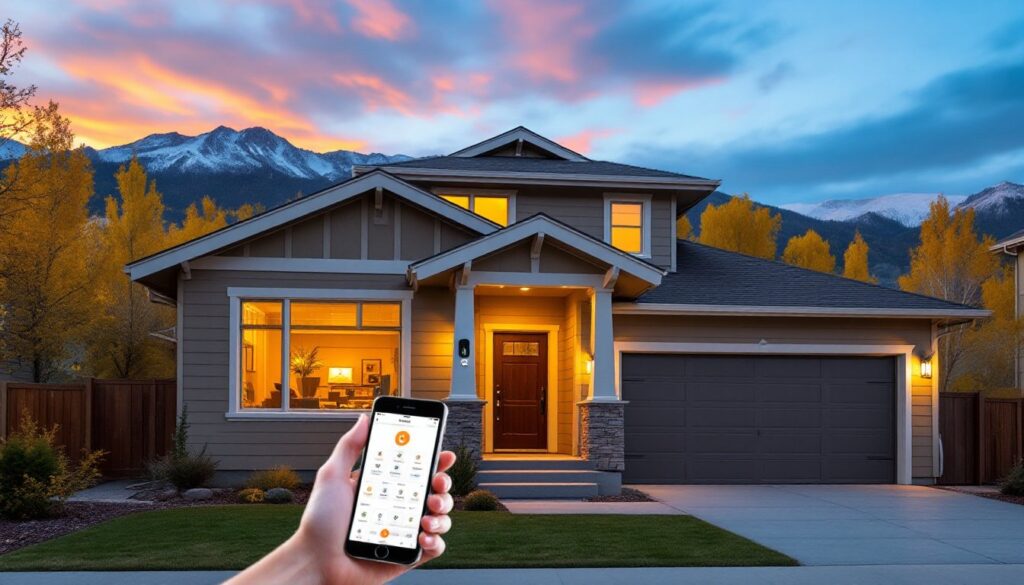
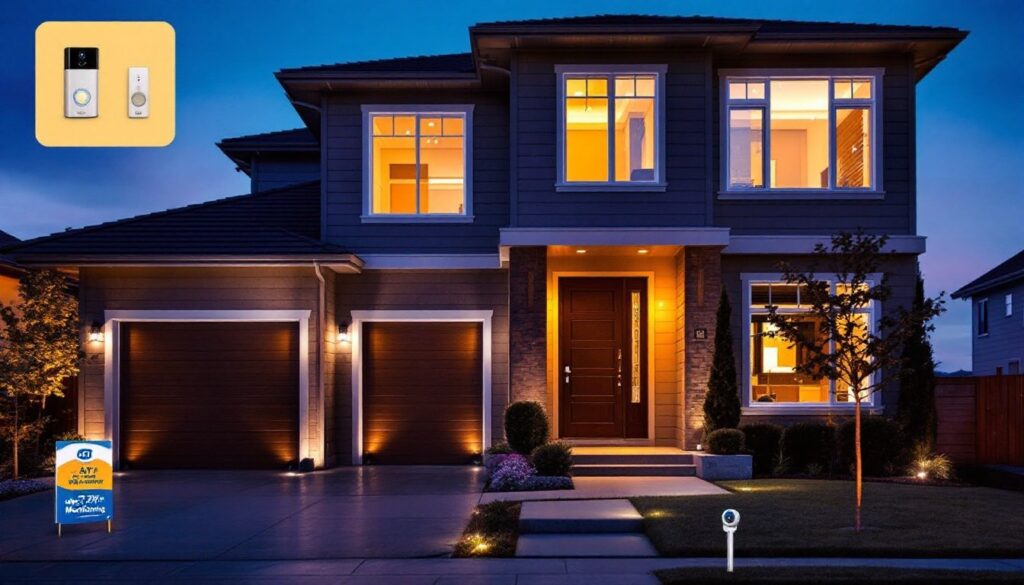
ADT home automation combines professional security monitoring with smart home control through a centralized hub. The system integrates door/window sensors, motion detectors, smart locks, video doorbells, indoor/outdoor cameras, and environmental sensors (smoke, CO, flood) with Z-Wave and Wi-Fi-enabled devices like thermostats, lights, and garage door openers.
Unlike standalone smart home ecosystems, ADT’s platform links every device to 24/7 professional monitoring. When a sensor triggers, whether it’s a door contact, glass break detector, or smoke alarm, ADT’s monitoring center receives the alert and can dispatch emergency services. Users control the system via the ADT Control app (available for iOS and Android) or wall-mounted touchscreen panels.
The backbone is typically the ADT Command panel, a 7-inch touchscreen hub that communicates with sensors and smart devices over encrypted wireless protocols. Installation is handled by ADT-certified technicians who mount sensors, configure zones, and integrate third-party devices during a scheduled appointment. Homeowners don’t wire panels or troubleshoot connectivity, ADT handles setup and provides ongoing technical support as part of the monitoring contract.
ADT’s automation routines let users create scenes and schedules. For example, an “Away” mode can arm the security system, lock doors, adjust the thermostat to an energy-saving setpoint, and turn off lights, all triggered by a single button press or geofencing that detects when the last phone leaves the property.
Key Features of ADT Smart Home Systems
Security Integration and Professional Monitoring
ADT’s primary differentiator is continuous professional monitoring. Every security event, intrusion, fire, CO, medical alert, routes to ADT’s UL-listed monitoring centers. If the system detects an alarm, operators attempt to verify the event by calling the homeowner’s emergency contacts. If they can’t reach anyone or confirm a false alarm, they dispatch police, fire, or EMS based on the alert type.
This layer matters most when homeowners are asleep, away, or unable to respond to mobile alerts. Self-monitored systems rely entirely on the user seeing a smartphone notification and deciding to call 911 themselves.
The ADT Command panel supports up to 245 wireless zones, covering sensors, keypads, and devices across large properties. Cellular backup keeps the system online if broadband fails, critical for alarm transmission when a burglar cuts phone or cable lines. Battery backup maintains operation during power outages for up to 24 hours, depending on system draw.
Video verification from ADT Cameras can provide monitoring centers with live footage during an alarm event, helping operators assess threats and give first responders better information before arrival. Some jurisdictions reduce false alarm fines when systems include verified video.
Smart Device Compatibility and Control
ADT integrates with a range of third-party smart devices, though compatibility leans heavily on Z-Wave protocol for locks, lights, thermostats, and plugs. Popular supported brands include:
- Smart locks: Kwikset, Yale, Schlage (Z-Wave models)
- Thermostats: Nest (via Works with Nest integration, though Google has deprecated some APIs), Honeywell, ecobee
- Lighting: Philips Hue (via Hue Bridge), GE Z-Wave switches and dimmers
- Garage door controllers: Linear Z-Wave openers
- Voice assistants: Amazon Alexa and Google Assistant for arming/disarming (with voice PIN) and scene control
The ADT Control app consolidates control. Users can view live camera feeds, unlock doors for service providers, adjust climate settings, and receive alerts for activity, package deliveries, kids arriving home, or unexpected motion. Geofencing features can trigger automation based on smartphone location, like disarming the system when the homeowner’s phone comes within a set radius.
Automation rules, called Scenes, run multi-device actions. A “Good Night” scene might lock all doors, arm the system in Stay mode, turn off downstairs lights, and lower the thermostat. Users build these in the app without scripting or complex logic, straightforward if/then triggers.
One limitation: ADT’s ecosystem is less open than DIY platforms like Home Assistant or SmartThings. Adding unsupported devices often isn’t possible, and integration updates depend on ADT’s development schedule. If a user wants to integrate a niche Wi-Fi sensor or a new smart home brand, they may hit compatibility walls.
How Much Does ADT Home Automation Cost?
ADT’s pricing structure includes upfront equipment costs and ongoing monitoring fees. Costs vary by package, home size, and regional promotions, but here’s the 2026 breakdown:
Equipment and Installation:
- ADT frequently runs promotions offering free or discounted equipment ($850+ value) with a signed monitoring contract, typically 36 months.
- Without promotions, expect $500–$1,500 for a basic security system (panel, door/window sensors, motion detector, yard sign, and decals).
- Adding smart home devices increases costs: smart locks ($100–$250 each), video doorbells ($150–$250), indoor cameras ($100–$180), outdoor cameras ($200–$350), smart thermostats ($120–$250).
- Professional installation is mandatory and typically included with contracts. If paying outright, installation runs $100–$200 depending on complexity.
Monthly Monitoring Fees:
- ADT Secure: ~$45.99/month. Basic 24/7 monitoring, mobile app, text/email alerts.
- ADT Smart Home: ~$49.99/month. Adds smart device control (locks, lights, thermostats), automation, and remote arming.
- ADT Video: ~$59.99/month. Includes video storage (30-day cloud DVR for cameras), video doorbell support, and video alarm verification.
- ADT Complete: ~$62.99/month. Full suite, video, smart home, monitoring, professional support.
Monitoring contracts lock users in for three years in most cases. Early termination fees can run 75% of remaining contract balance, a significant cost if a homeowner moves or wants to switch providers.
Hidden Costs and Considerations:
- Cell backup module: Sometimes an extra monthly fee (~$5–$10) if not bundled.
- Replacement equipment: Sensors or panels damaged outside warranty aren’t free. A new door sensor costs ~$30–$50: a replacement panel can exceed $300.
- Service calls: If a technician visit is needed for troubleshooting after the warranty period, expect a trip charge ($75–$150) plus labor.
Compared to DIY systems, Ring Alarm Plus ($20/month), SimpliSafe ($17.99–$27.99/month), or self-monitored setups with no monthly fees, ADT costs significantly more. The tradeoff is professional installation, verified monitoring, and unified support for a curated hardware ecosystem.
ADT Home Automation vs. DIY Smart Home Solutions
Choosing between ADT and DIY smart home platforms depends on priorities: convenience and reliability versus flexibility and cost control.
ADT Advantages:
- Professional monitoring with verified response: Trained operators, not just smartphone alerts, ensure help is dispatched even if the homeowner is unreachable.
- Unified support: One call handles security sensors, cameras, locks, and thermostats. No troubleshooting compatibility between brands.
- Cellular and battery backup: System stays operational during internet and power outages, critical for security.
- Installation by certified techs: Sensors placed optimally, panel configured correctly, no DIY learning curve.
DIY Smart Home Advantages:
- Lower monthly costs (or none): Platforms like Ring, SimpliSafe, Wyze, or Abode charge $10–$30/month for monitoring, or offer self-monitoring at no monthly fee.
- No long-term contracts: Cancel, upgrade, or switch providers anytime without termination penalties.
- Broader device compatibility: DIY hubs (SmartThings, Home Assistant, Hubitat) support thousands of devices across Zigbee, Z-Wave, Wi-Fi, and Matter protocols. Users can mix brands freely.
- Expandability and customization: Add sensors, cameras, or smart plugs as needed without waiting for professional installation appointments.
Where ADT Wins:
- Homeowners who value peace of mind over cost savings.
- Properties in areas with slow police response, where verified monitoring can prioritize dispatch.
- Households uncomfortable with self-install or troubleshooting connectivity issues, firmware updates, or hub resets.
Where DIY Wins:
- Tech-comfortable users willing to research compatibility and handle setup.
- Renters or frequent movers who can’t commit to multi-year contracts.
- Budget-focused households wanting security without $50–$60/month recurring fees.
Hybrid Option:
Some homeowners run a DIY smart home (lights, locks, thermostats via SmartThings or Home Assistant) alongside a basic monitored security system (ADT, Brinks, or a local alarm company). This splits professional monitoring for life-safety events (intrusion, fire, CO) from flexible smart home control, balancing cost and reliability.
Conclusion
ADT home automation delivers an integrated security and smart home platform backed by professional monitoring, certified installation, and centralized support. It’s a solid choice for homeowners prioritizing reliability and hands-off operation over cost savings and customization. DIY alternatives offer more flexibility and lower monthly fees but shift responsibility for setup, monitoring, and troubleshooting to the user. The best fit depends on budget, technical comfort, and how much value a household places on verified professional response.