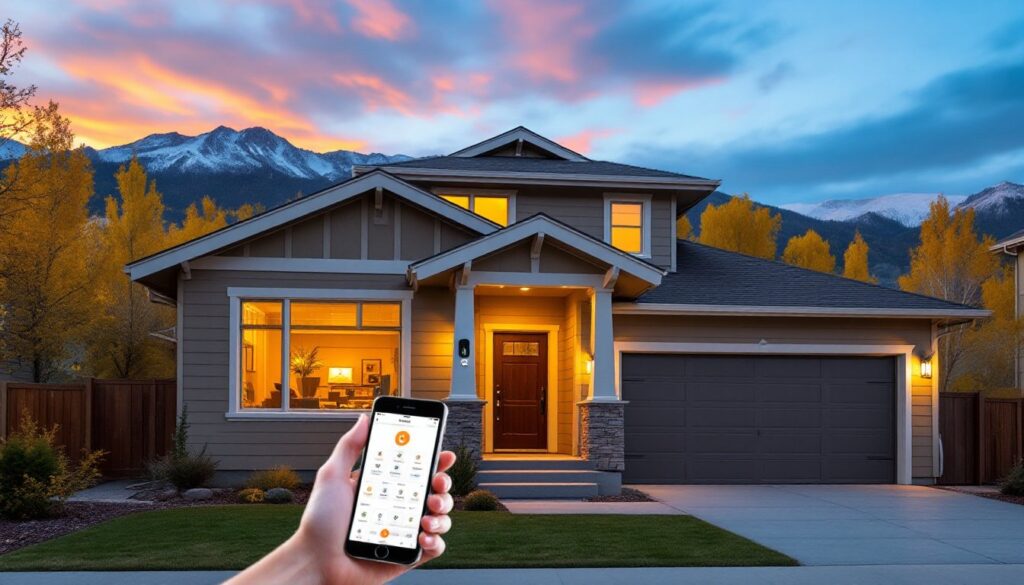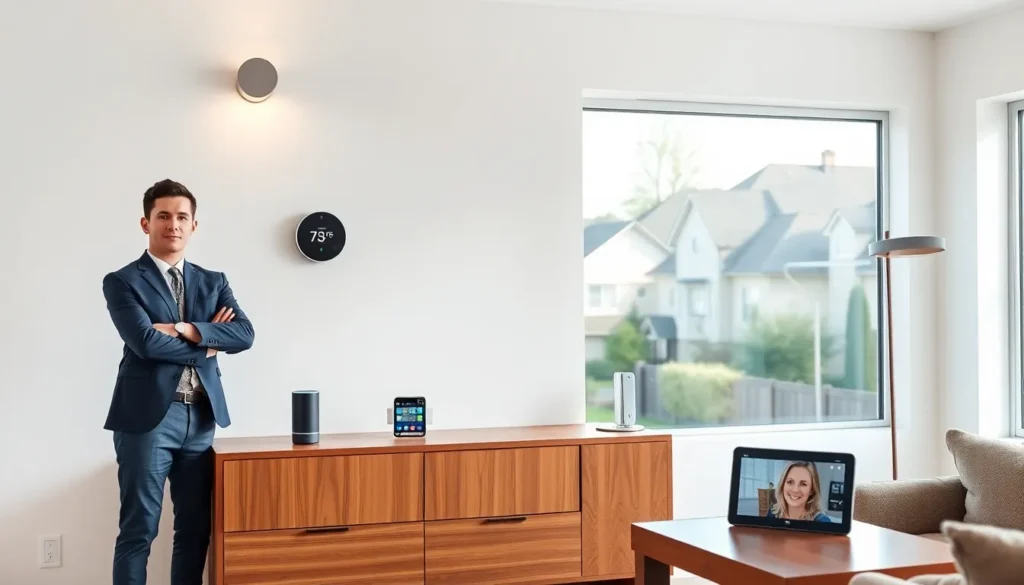

A home automation guide can transform how people live, work, and relax in their homes. Smart technology has moved from luxury to mainstream, and millions of homeowners now control lights, locks, and thermostats with a simple voice command or phone tap. This guide walks beginners through the basics of home automation, from understanding what it means to setting up a first smart home system. Whether someone wants to save energy, boost security, or simply enjoy more convenience, home automation offers practical solutions for modern living.
Table of Contents
ToggleKey Takeaways
- A home automation guide helps beginners start with essentials like smart speakers, lighting, thermostats, and plugs before expanding their system.
- Smart thermostats can save homeowners up to 10% annually on heating and cooling costs according to the U.S. Department of Energy.
- Choose one ecosystem—Amazon Alexa, Google Home, or Apple HomeKit—and stick with it to avoid compatibility issues.
- Create routines to automate multiple actions with a single voice command, saving time on daily tasks like morning wake-ups.
- Prioritize network security by changing default passwords, enabling two-factor authentication, and keeping device firmware updated.
- Look for Matter-compatible devices to future-proof your home automation investments as technology evolves.
What Is Home Automation?
Home automation refers to the use of smart devices and systems that control household functions automatically or remotely. These devices connect through Wi-Fi, Bluetooth, or specialized protocols like Zigbee and Z-Wave. Users can manage them through smartphone apps, voice assistants, or centralized hubs.
At its core, home automation links everyday items, lights, thermostats, door locks, cameras, to a network. This network allows devices to communicate with each other and respond to commands or schedules. For example, a smart thermostat can learn a household’s patterns and adjust temperatures automatically. A smart lock can send alerts when someone enters the home.
Home automation ranges from simple single-device setups to whole-home ecosystems. A beginner might start with one smart bulb. An advanced user might integrate dozens of devices that work together seamlessly. The key principle remains the same: technology handles routine tasks so people can focus on what matters.
Key Benefits of Automating Your Home
Home automation delivers real advantages that go beyond novelty. Here are the main benefits homeowners experience:
Convenience
Smart devices eliminate repetitive tasks. Lights turn on at sunset. Coffee makers start brewing before the alarm rings. Garage doors close automatically when everyone leaves. These small automations add up to significant time savings.
Energy Savings
Smart thermostats and lighting systems reduce waste. The U.S. Department of Energy reports that programmable thermostats can save homeowners up to 10% annually on heating and cooling costs. Motion sensors ensure lights stay off in empty rooms. Smart plugs cut power to devices that drain energy on standby.
Enhanced Security
Smart cameras, doorbells, and locks give homeowners real-time visibility into their property. They receive instant alerts about unusual activity. Many systems allow remote monitoring from anywhere in the world. This peace of mind proves valuable for frequent travelers and families alike.
Accessibility
Home automation helps people with mobility challenges or disabilities. Voice control lets users operate devices hands-free. Automated routines reduce physical effort for daily tasks.
Increased Home Value
Buyers increasingly expect smart home features. A well-designed home automation system can boost property appeal and resale value.
Essential Devices to Get Started
Beginners don’t need to buy everything at once. Starting with a few key devices builds a solid foundation for home automation.
Smart Speaker or Hub
A smart speaker like Amazon Echo or Google Nest serves as the command center. It processes voice commands and connects to other devices. Some users prefer dedicated hubs like Samsung SmartThings for broader compatibility.
Smart Lighting
Smart bulbs from Philips Hue, LIFX, or Wyze offer an easy entry point. Users can dim lights, change colors, and set schedules through an app. Smart switches provide control without replacing existing bulbs.
Smart Thermostat
Devices like Nest Learning Thermostat or Ecobee learn household routines and optimize heating and cooling. They pay for themselves through energy savings within a year or two.
Smart Plugs
These affordable devices turn any outlet into a smart outlet. They control lamps, fans, and appliances remotely. Smart plugs also monitor energy usage.
Smart Doorbell or Lock
Ring, Nest, and Arlo make video doorbells that show visitors in real time. Smart locks from August, Schlage, and Yale allow keyless entry and remote access management.
Beginners should pick devices that work with their chosen ecosystem, whether that’s Amazon Alexa, Google Home, or Apple HomeKit.
How to Set Up Your First Smart Home System
Setting up home automation doesn’t require technical expertise. Follow these steps to get started:
Step 1: Choose an Ecosystem
Decide between Amazon Alexa, Google Home, or Apple HomeKit. Each ecosystem has strengths. Alexa offers the widest device compatibility. Google excels at search integration and natural language. Apple prioritizes privacy and works best within its product family.
Step 2: Install a Smart Speaker
Place the speaker in a central location. Download the corresponding app, Alexa, Google Home, or Apple Home. Follow the prompts to connect it to Wi-Fi.
Step 3: Add Your First Device
Start with something simple like a smart bulb or plug. Install the device and open its manufacturer app. Link it to the chosen ecosystem through the settings menu.
Step 4: Create Routines
Routines automate multiple actions with one command or trigger. A “Good Morning” routine might turn on lights, read the weather forecast, and start the coffee maker. Most apps offer preset routines that users can customize.
Step 5: Test Everything
Verify that voice commands work correctly. Check that schedules trigger as expected. Troubleshoot any connectivity issues by moving devices closer to the router or adding a Wi-Fi extender.
Most beginners complete their first home automation setup in under an hour.
Tips for Expanding Your Home Automation
Once the basics are running smoothly, homeowners can expand their smart home systems strategically.
Add Devices Gradually
Rushing to automate every room creates confusion and expense. Adding one or two devices at a time allows users to learn each product properly and troubleshoot issues easily.
Stick to One Ecosystem
Mixing ecosystems causes compatibility headaches. Devices that work with Alexa might not sync well with HomeKit. Staying within one platform ensures smooth communication between devices.
Invest in a Strong Network
Smart homes depend on reliable Wi-Fi. A mesh network system like Eero, Google Nest Wi-Fi, or Orbi eliminates dead zones. Some advanced users create separate networks for smart devices to improve security.
Explore Automation Platforms
Platforms like Home Assistant, Hubitat, and IFTTT unlock advanced automation possibilities. They connect devices from different manufacturers and create complex conditional routines.
Prioritize Security
Change default passwords on all devices. Enable two-factor authentication when available. Keep firmware updated to patch vulnerabilities. Smart homes require ongoing attention to cybersecurity.
Plan for the Future
Choose devices that support Matter, a new interoperability standard. Matter-compatible products work across ecosystems, protecting investments as technology evolves.