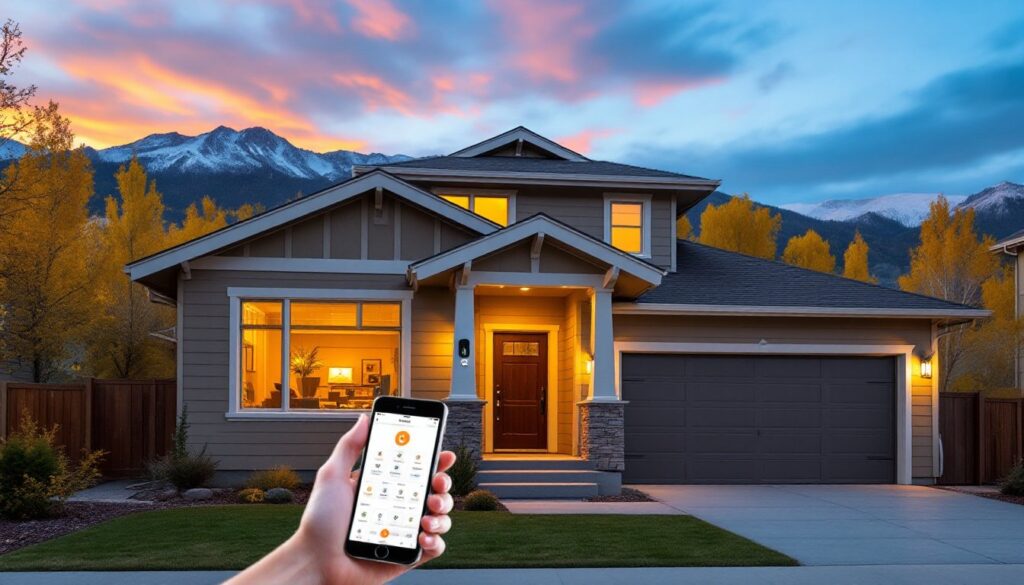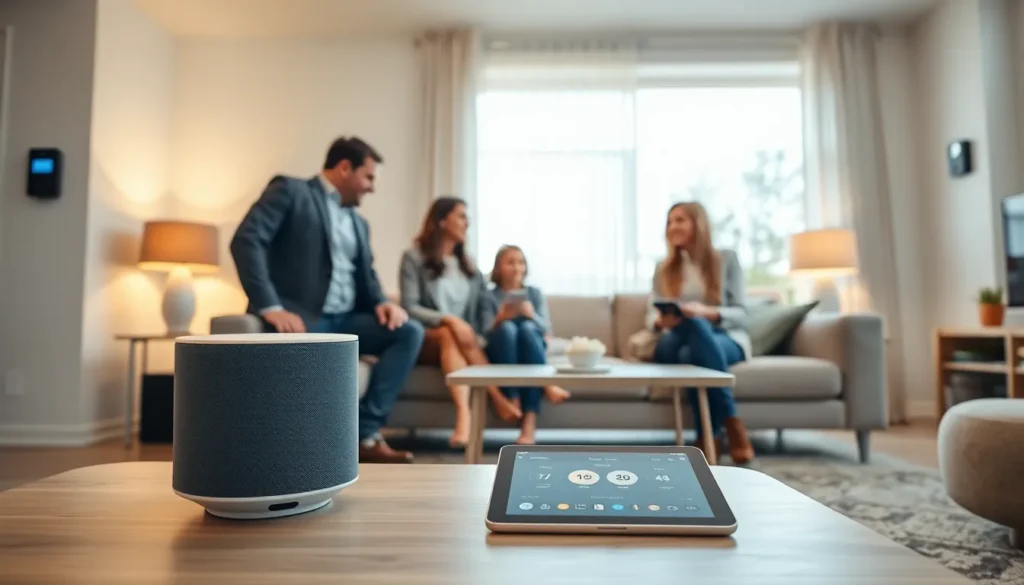

Home automation ideas have moved from science fiction to everyday reality. Smart devices now handle tasks that once required manual effort, from adjusting thermostats to locking doors remotely. The average household can save hours each week by automating routine activities.
This guide covers practical home automation ideas that deliver real convenience. Whether someone wants to start small with smart bulbs or build a fully connected home, these solutions offer tangible benefits. The technology has become affordable, user-friendly, and genuinely useful for daily life.
Table of Contents
ToggleKey Takeaways
- Home automation ideas like smart lighting and thermostats can reduce energy bills by 10-15% while adding daily convenience.
- Voice assistants and smart hubs serve as the central control system, connecting devices across different brands and protocols into one unified platform.
- Smart thermostats learn your household patterns and automatically adjust temperatures, with Nest reporting average savings of 10-12% on heating costs.
- Security-focused automation—including video doorbells, smart locks, and motion sensors—provides peace of mind with remote monitoring and instant smartphone alerts.
- Affordable devices like smart plugs, robot vacuums, and water leak sensors deliver practical home automation benefits starting at just $15.
- The Matter standard improves device compatibility, making it easier to mix and match smart home products from different manufacturers.
Smart Lighting Solutions
Smart lighting ranks among the most popular home automation ideas for good reason. These systems offer immediate benefits with minimal setup.
Smart bulbs from brands like Philips Hue, LIFX, and Wyze connect directly to Wi-Fi or work through a dedicated hub. Users can control brightness, color temperature, and even millions of color options from their phones. The real magic happens with automation, lights can turn on at sunset, dim during movie time, or simulate occupancy while the family vacations.
Motion-activated lighting adds another layer of convenience. Sensors in hallways, bathrooms, and closets eliminate fumbling for switches in the dark. This setup works particularly well for homes with children or elderly residents.
Scheduled lighting also saves energy. Lights that turn off automatically when no one’s home can reduce electricity bills by 10-15% according to the U.S. Department of Energy. Smart switches offer another path for those who prefer their existing bulbs, they add automation without replacing every fixture.
For a cohesive setup, grouping lights by room or zone makes control simpler. A “goodnight” routine can shut off every light in the house with a single command.
Voice-Controlled Assistants and Hubs
Voice assistants serve as the central nervous system for home automation ideas. Amazon Alexa, Google Assistant, and Apple HomeKit each offer ways to control smart devices through spoken commands.
These assistants do more than play music or answer questions. They connect disparate devices into a unified system. Someone can say “Alexa, I’m leaving” and trigger a routine that locks doors, turns off lights, adjusts the thermostat, and arms the security system.
Smart hubs like Samsung SmartThings or Hubitat take integration further. They connect devices using different protocols, Zigbee, Z-Wave, Wi-Fi, and Thread, into one app. This matters because not every smart device speaks the same language. A hub translates between them.
The Matter standard, launched in 2022, promises better device compatibility across brands. Products with Matter certification work with any Matter-compatible system, reducing the frustration of incompatible ecosystems.
Placement matters for voice assistants. Strategic locations in the kitchen, living room, and bedroom ensure commands get heard clearly. Echo Dots or Google Nest Minis cost under $50 and provide coverage for most rooms.
Automated Climate Control
Smart thermostats represent some of the highest-impact home automation ideas available. The Nest Learning Thermostat, Ecobee, and Honeywell Home devices learn household patterns and adjust temperatures automatically.
These devices deliver measurable savings. Nest reports that its thermostat saves users an average of 10-12% on heating and 15% on cooling annually. Over a few years, the device pays for itself.
Geofencing takes climate control further. When the last family member leaves home (detected via smartphone location), the system enters energy-saving mode. It begins heating or cooling before anyone arrives back, ensuring comfort without waste.
Room sensors solve a common problem: uneven temperatures throughout the house. Ecobee’s sensors detect occupancy and temperature in multiple rooms, prioritizing comfort where people actually spend time rather than where the thermostat happens to be mounted.
Smart vents and fans add precision. Products like Flair smart vents open and close to direct airflow where needed. Ceiling fans from Hunter and Big Ass Fans integrate with home automation systems to circulate air efficiently.
For window treatments, motorized blinds from Lutron or IKEA adjust based on sunlight and temperature. They block heat gain in summer and allow solar warming in winter.
Smart Security and Surveillance
Security-focused home automation ideas provide peace of mind and practical protection. Modern systems combine cameras, sensors, and smart locks into comprehensive solutions.
Video doorbells from Ring, Nest, and Eufy let homeowners see and speak with visitors remotely. Package theft drops significantly when delivery drivers know they’re on camera. Motion detection sends alerts to smartphones, keeping residents informed whether they’re at work or on vacation.
Smart locks eliminate key-related headaches. August, Schlage, and Yale offer locks that open via smartphone, keypad, or fingerprint. Temporary codes let service providers or guests enter without sharing permanent access. Activity logs show exactly who entered and when.
Window and door sensors form the foundation of automated security. When paired with a smart system, an opened door can trigger lights, send notifications, or activate cameras. Some users create “away mode” automations that arm all sensors with a single command.
Outdoor cameras with floodlights deter intruders before they approach. Ring Floodlight Cam and similar products combine 1080p or 4K video with motion-activated lighting. Cloud storage or local options keep footage accessible for weeks.
Professional monitoring remains available for those who want it, but many home automation ideas now support self-monitoring that costs nothing beyond the hardware.
Everyday Convenience Automations
Beyond the major categories, smaller home automation ideas add surprising convenience to daily routines.
Smart plugs turn any device into a connected one. A $15 plug can automate coffee makers, holiday lights, fans, or slow cookers. Someone can start brewing coffee from bed or ensure the curling iron shuts off automatically.
Robot vacuums and mops handle floor cleaning without intervention. iRobot Roomba, Roborock, and Ecovacs models map homes, avoid obstacles, and empty their own dustbins. Scheduled cleaning runs keep floors tidy between deep cleans.
Smart garage door controllers like MyQ add remote monitoring and control to existing openers. Users receive alerts if the door stays open and can close it from anywhere. This simple upgrade eliminates the “did I close the garage?” anxiety.
Automated pet feeders and water fountains maintain schedules even when owners work late. Cameras on some models let pet parents check in during the day.
Water leak sensors from Govee, Moen, and Flo detect problems before they become disasters. Placed under sinks, near water heaters, or by washing machines, these sensors alert homeowners to leaks immediately. Some can even shut off the main water supply automatically.
Smart kitchen appliances, ovens, refrigerators, and dishwashers, send notifications when cycles complete or when maintenance is needed. While not essential, these features add genuine utility for busy households.