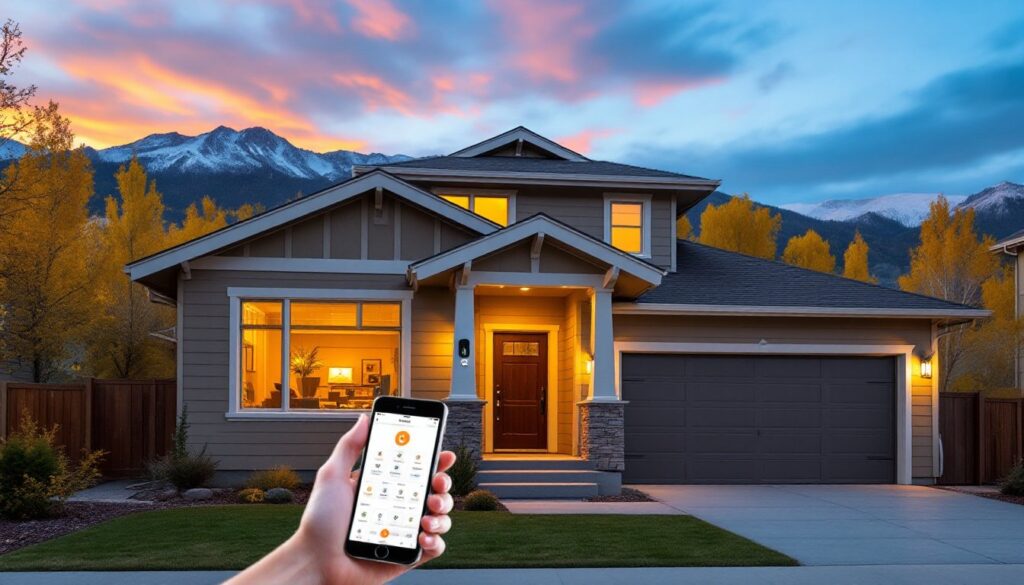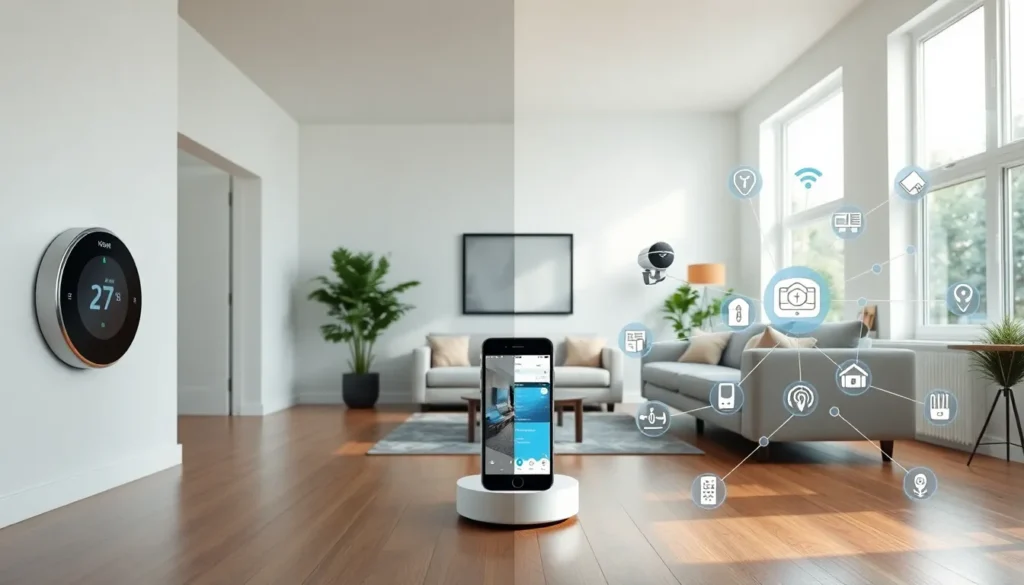

Home automation vs. smart home, these terms get tossed around interchangeably, but they’re not the same thing. Understanding the distinction matters, especially if you’re planning to upgrade your living space with connected technology. One focuses on automating specific tasks, while the other creates an interconnected ecosystem that learns and adapts. This guide breaks down what each term means, how they differ, and which option fits your lifestyle best.
Table of Contents
ToggleKey Takeaways
- Home automation executes pre-programmed tasks using timers and sensors, while smart homes create interconnected ecosystems that learn and adapt to your behavior.
- Smart home devices communicate with each other through central hubs and use AI to anticipate your needs, offering a level of integration that basic home automation cannot achieve.
- Home automation systems work offline and cost less upfront, making them ideal for users who want simple, reliable solutions without internet dependency.
- Privacy considerations differ significantly—home automation keeps data local, while smart homes send information to cloud servers for processing.
- A hybrid approach works well for many homeowners: start with basic home automation for essential tasks and gradually add smart devices based on your lifestyle needs.
- Your choice between home automation vs. smart home depends on your budget, technical comfort level, and how much you value advanced features like voice control and device learning.
What Is Home Automation?
Home automation refers to the automatic control of household devices and systems. It allows homeowners to schedule or trigger actions without manual intervention. Think of it as setting rules for your home to follow.
A classic example? Programmable thermostats. You set a schedule, and the thermostat adjusts the temperature at specific times. Automated lights work similarly, they turn on at sunset and off at bedtime. Sprinkler systems that run every morning at 6 AM also fall under home automation.
The key characteristic here is pre-programmed behavior. Home automation systems execute tasks based on timers, sensors, or simple triggers. They don’t require internet connectivity to function, and they don’t learn from your habits. You set the rules once, and the system follows them until you change them.
Home automation technology has existed for decades. X10, one of the earliest protocols, dates back to the 1970s. These systems prioritize reliability and simplicity over intelligence. They handle repetitive tasks efficiently but lack the ability to make decisions or adapt to changing circumstances.
For many homeowners, basic home automation covers their needs. It reduces manual effort, saves energy, and adds convenience. But it operates in isolation, each automated device does its job independently without communicating with others.
What Is a Smart Home?
A smart home takes automation further by connecting devices into a unified, intelligent system. These devices communicate with each other and often use artificial intelligence to learn from user behavior.
Smart homes rely on internet connectivity and central hubs or voice assistants like Amazon Alexa, Google Home, or Apple HomeKit. This connectivity enables remote control through smartphone apps and voice commands. More importantly, it allows devices to share data and coordinate actions.
Consider this scenario: A smart thermostat notices you left work early (through your phone’s GPS). It starts cooling the house before you arrive. When you pull into the driveway, the garage door opens automatically. The lights turn on, and your favorite playlist starts playing. All of this happens without you pressing a button.
Smart home devices also learn patterns over time. A smart thermostat tracks when you’re typically home and adjusts settings accordingly. Smart lighting systems remember your preferences and suggest routines. This learning capability sets smart homes apart from basic home automation.
The ecosystem approach matters too. In a smart home, your security cameras can communicate with your smart locks. If the camera detects a familiar face, the door unlocks automatically. Home automation can’t achieve this level of integration because isolated devices don’t share information.
Core Differences Between Home Automation and Smart Homes
The home automation vs. smart home debate comes down to several key factors. Understanding these differences helps you decide which approach suits your situation.
Connectivity and Communication
Home automation systems often work offline using protocols like Z-Wave or Zigbee. They don’t need the internet to function. Smart homes, by contrast, depend heavily on Wi-Fi and cloud services. This connectivity enables remote access but also creates vulnerability if the internet goes down.
Intelligence Level
Home automation follows fixed rules. It does exactly what you program it to do, nothing more, nothing less. Smart home technology incorporates machine learning and AI. These systems analyze patterns, make predictions, and adjust behavior automatically.
Integration Scope
Automated devices typically operate independently. Your automated blinds don’t know what your automated thermostat is doing. Smart home platforms integrate multiple devices into one ecosystem. They share data and create coordinated responses across your entire home.
Cost and Complexity
Basic home automation costs less upfront and requires simpler setup. Smart home systems demand higher initial investment and more technical knowledge. But, smart homes offer greater long-term value through energy savings and convenience.
Privacy Considerations
Home automation keeps data local, raising fewer privacy concerns. Smart homes send data to cloud servers for processing. This arrangement improves functionality but increases privacy risks. Users should consider how comfortable they are with companies collecting their household data.
Which Option Is Right for You?
Choosing between home automation and a full smart home depends on your priorities, budget, and technical comfort level.
Home automation works well for people who want simple solutions. If you just need lights on timers, a programmable thermostat, or automatic sprinklers, basic automation delivers without complications. It costs less, requires minimal maintenance, and doesn’t depend on internet reliability.
Smart homes suit those who want maximum convenience and are comfortable with technology. If you enjoy controlling everything from your phone, asking voice assistants for help, and having devices that anticipate your needs, a smart home provides that experience.
Budget plays a significant role. Home automation entry points start at under $50 for simple timers and sensors. Building a comprehensive smart home can cost thousands, especially with premium brands and professional installation.
Tech-savvy homeowners often prefer smart home setups because they enjoy customizing automations and integrations. Less technical users might find smart home maintenance frustrating when devices disconnect or apps malfunction.
Many people take a hybrid approach. They start with basic home automation for essential functions and gradually add smart devices where they see value. This strategy spreads costs over time and lets homeowners learn what features actually improve their daily lives.