
Effective home office techniques can transform a chaotic work-from-home experience into a productive routine. Remote work has become standard for millions of professionals, yet many still struggle with focus, comfort, and efficiency. The difference between thriving and merely surviving often comes down to a few deliberate choices about workspace setup, time management, and boundaries.
This guide covers practical strategies that actually work. From ergonomic adjustments that prevent back pain to time-blocking methods that protect deep focus, these home office techniques address the real challenges remote workers face daily. Whether someone works from home full-time or splits their week between office and residence, these approaches help create an environment where productivity and well-being coexist.
Table of Contents
ToggleKey Takeaways
- Effective home office techniques start with ergonomic setup—position your monitor at eye level and use a chair with lumbar support to prevent fatigue and pain.
- Time blocking and the Pomodoro Technique help structure your day and can boost productivity by up to 40% compared to constant task-switching.
- Create a dedicated workspace, even if it’s just a specific corner, to signal your brain that it’s time to focus.
- Block distracting websites during work hours and set visible signals for family members to minimize interruptions.
- Set clear stop times and create shutdown rituals to maintain work-life balance and prevent burnout.
- These home office techniques work best when applied consistently—small, deliberate changes compound into lasting productivity gains.
Setting Up an Ergonomic Workspace
A poorly designed workspace causes fatigue, pain, and reduced output. Smart home office techniques start with physical setup, the chair, desk, monitor, and lighting all play critical roles.
Chair and Desk Height
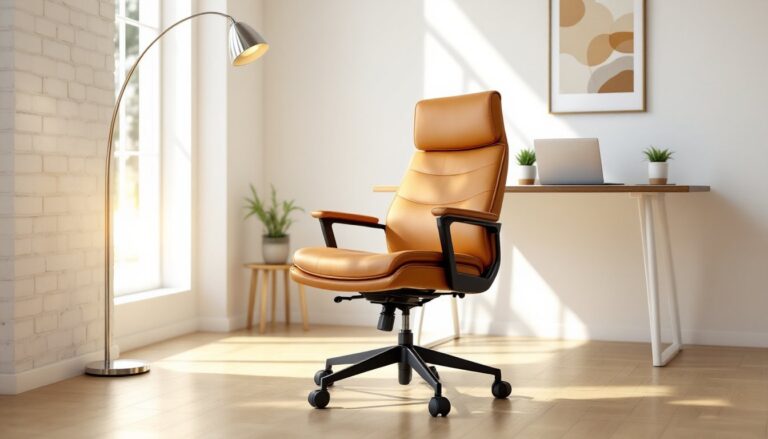
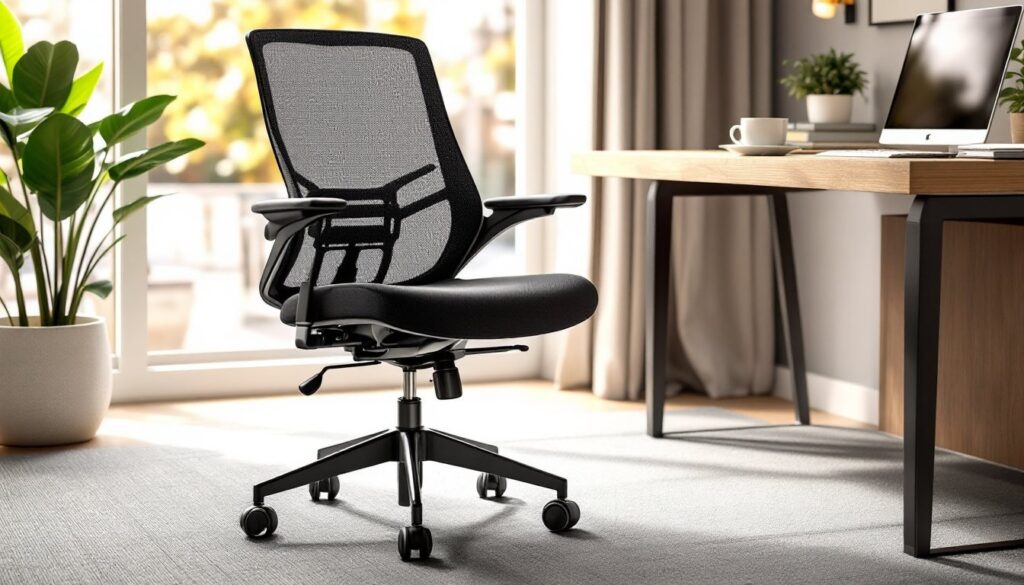
The ideal seated position keeps feet flat on the floor with knees at a 90-degree angle. Thighs should rest parallel to the ground. Many people work at kitchen tables or counters that force awkward postures. An adjustable office chair with lumbar support makes a measurable difference. For those who can’t invest in new furniture, a simple footrest and a rolled towel for lower back support offer affordable improvements.
Monitor Placement
Screen positioning affects neck strain and eye fatigue. The top of the monitor should sit at or slightly below eye level. Distance matters too, most experts recommend an arm’s length between face and screen. Laptop users often hunch forward, which creates tension headaches and shoulder pain. A laptop stand paired with an external keyboard solves this problem for under $50.
Lighting Considerations
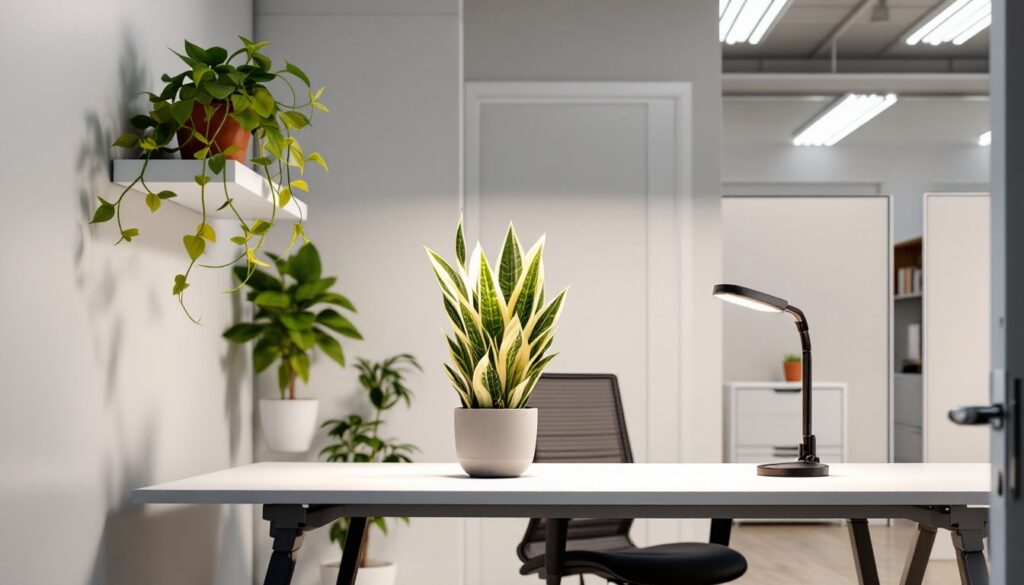
Natural light boosts mood and alertness, but direct sunlight on screens causes glare. Position desks perpendicular to windows when possible. For evening work or darker spaces, a desk lamp with adjustable brightness reduces eye strain. Overhead fluorescent lights often create harsh shadows, layered lighting works better for long work sessions.
These home office techniques require some upfront effort but pay dividends through reduced discomfort and sustained energy throughout the workday.
Time Management Strategies for Remote Work
Without the structure of a traditional office, hours can slip away unproductively. Effective home office techniques include deliberate scheduling and focused work blocks.
Time Blocking
Time blocking assigns specific tasks to dedicated periods. Instead of a vague to-do list, professionals schedule “9-11 AM: quarterly report” or “2-3 PM: client calls.” This approach prevents task-switching, which research shows can reduce productivity by up to 40%. Calendar apps make implementation simple, block time like appointments and treat those blocks as non-negotiable.
The Pomodoro Technique
This method uses 25-minute focused sprints followed by 5-minute breaks. After four cycles, a longer 15-30 minute break follows. The structured intervals create urgency and prevent burnout. Many remote workers find this particularly useful for tedious tasks that invite procrastination.
Morning Routines
The commute once served as a mental transition between home and work modes. Without it, many people struggle to “switch on.” A consistent morning routine, exercise, coffee, reviewing the day’s priorities, creates a psychological boundary. Some professionals even take a short walk around the block before sitting down to simulate a commute.
Protecting Deep Work
Meetings fragment the day. When possible, batch calls and collaborative work into specific windows, leaving uninterrupted blocks for tasks requiring concentration. Even two hours of protected deep work daily can dramatically increase output. These home office techniques give structure to otherwise shapeless days.
Minimizing Distractions at Home
Home environments contain distractions offices don’t, laundry, family members, refrigerators, comfortable couches. Successful remote workers develop systems to manage these interruptions.
Physical Boundaries
A dedicated workspace signals to the brain that work is happening. This doesn’t require a separate room. A specific corner, desk, or even a particular chair can serve as the “office.” The key is consistency, work happens in that space and relaxation happens elsewhere. This spatial separation helps with focus during work hours and disconnection afterward.
Digital Distractions
Social media and news sites steal attention in small increments that add up. Browser extensions like Freedom or Cold Turkey block distracting websites during work hours. Turning off non-essential notifications on phones and computers eliminates the constant ping of interruptions. Some professionals keep their phones in another room entirely during focus blocks.
Household Management
Family members and roommates need clear expectations. Visible signals, a closed door, headphones on, or a simple “in a meeting” sign, communicate availability. For parents working at home, scheduled work blocks aligned with childcare or school hours prevent constant interruptions. Having honest conversations about needs and boundaries prevents resentment on all sides.
These home office techniques acknowledge reality: distractions will happen. The goal isn’t perfection but rather systems that minimize their frequency and impact.
Creating a Healthy Work-Life Balance
Remote work blurs boundaries between professional and personal life. Without intentional separation, many people find themselves always partially working, checking email at dinner, answering messages on weekends, never fully present in either domain.
Set Clear Stop Times
Define when the workday ends and stick to it. Shutdown rituals help, reviewing tomorrow’s priorities, closing all work applications, and physically leaving the workspace. Some people change clothes or take an evening walk to mark the transition. The specific ritual matters less than its consistency.
Create Physical Separation
When possible, keep work equipment out of relaxation spaces. Working from the couch or bedroom erodes the mental association between those spaces and rest. If square footage limits options, at minimum close the laptop and put it away at day’s end. Out of sight genuinely helps with out of mind.
Protect Personal Time
Block personal commitments on work calendars, exercise, family dinners, hobbies. Treat these appointments with the same respect as client meetings. Burnout builds gradually, and professionals who sacrifice all personal time eventually lose effectiveness at work too.
Regular Breaks During Work
Stepping away from the desk improves both wellbeing and cognitive function. Short breaks for stretching, snacks, or fresh air prevent the glazed-over fatigue that comes from marathon screen sessions. These home office techniques recognize that sustainable productivity requires rest.
Balance isn’t a perfect 50/50 split every day. Some periods demand extra work hours. But over weeks and months, healthy patterns should average out.