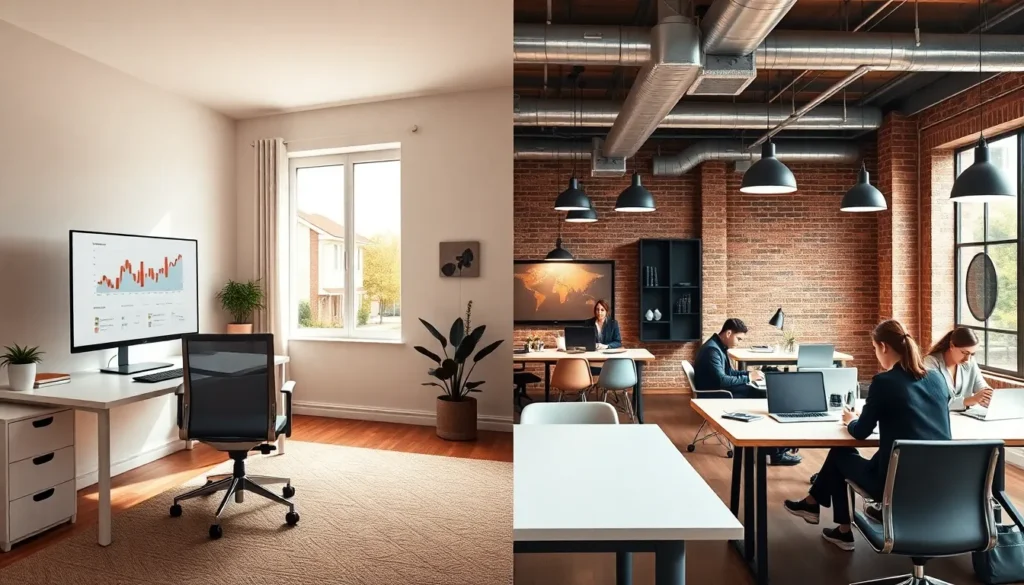

The home office vs. coworking space debate has become a central question for remote workers, freelancers, and entrepreneurs. Both options offer distinct advantages, but choosing the wrong one can hurt productivity, drain finances, or leave professionals feeling isolated. This article breaks down the key differences between a home office and a coworking space. It covers costs, productivity, work-life balance, networking, and decision-making factors. By the end, readers will have a clear framework to determine which workspace fits their goals and lifestyle.
Table of Contents
ToggleKey Takeaways
- Home office vs. coworking space costs differ significantly—home offices require $500–$2,000 upfront but lower ongoing expenses, while coworking memberships range from $150 to over $1,000 monthly.
- Productivity depends on personal work style: home offices suit self-disciplined workers, while coworking spaces provide structure and social accountability for those who struggle with distractions.
- Coworking spaces create clear work-life boundaries by physically separating work from home, helping professionals disconnect more easily.
- Home office isolation is a real challenge—23% of remote workers cite loneliness as their biggest struggle, making coworking spaces valuable for networking and collaboration.
- A hybrid approach combining home office and part-time coworking membership offers flexibility, social interaction, and cost savings for many remote professionals.
- Test before committing: use coworking day passes or trial home setups before investing in furniture or signing membership contracts.
Cost Comparison: Initial Investment and Ongoing Expenses
Money matters. And the home office vs. coworking space decision often starts with a budget conversation.
Home Office Costs
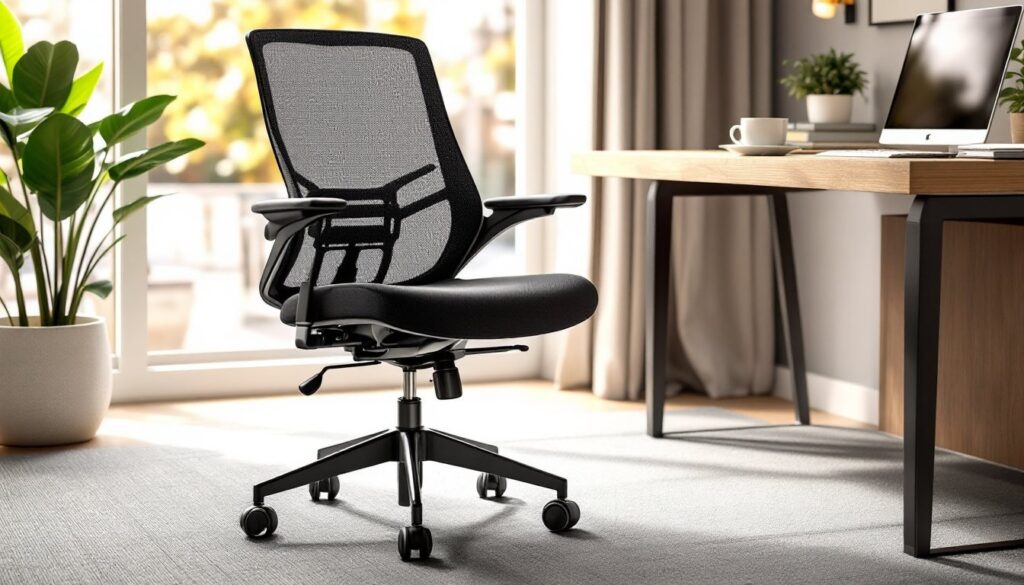
Setting up a home office requires an upfront investment. A quality desk runs between $150 and $500. An ergonomic chair costs $200 to $800 for a model that won’t wreck your back. Add a monitor, keyboard, lighting, and basic office supplies, total startup costs typically land between $500 and $2,000.
Ongoing expenses stay relatively low. Internet service averages $50 to $100 monthly. Electricity increases slightly. Coffee is free (or at least cheaper than café prices). Home office users may also qualify for tax deductions on a portion of their rent or mortgage.
Coworking Space Costs
Coworking memberships vary widely by location and amenities. Hot desks (shared, first-come seating) start around $150 to $300 per month in most cities. Dedicated desks cost $300 to $600 monthly. Private offices can exceed $1,000 per month.
These fees typically include internet, utilities, coffee, printing, and meeting room access. Some spaces charge extra for amenities like phone booths, event spaces, or mail handling.
The Bottom Line
A home office costs less over time, especially for those who already have space. Coworking spaces trade higher monthly fees for convenience and included services. Professionals who need meeting rooms frequently or lack space at home may find coworking memberships more cost-effective than they first appear.
Productivity and Focus Considerations
Where someone works directly affects how well they work. The home office vs. coworking space choice hinges partly on focus and output.
Home Office Productivity
Home offices offer control. Workers set their own temperature, lighting, and noise levels. There’s no commute eating into the day. Deep work sessions can stretch uninterrupted for hours.
But distractions lurk everywhere. The laundry pile calls. Kids need attention. Netflix sits one click away. A 2023 study from Stanford found remote workers at home were 13% more productive than office counterparts, but only when they had dedicated workspaces and clear boundaries.
Without discipline, home office productivity tanks fast.
Coworking Space Productivity
Coworking spaces create a work-oriented atmosphere. The presence of other focused professionals generates social accountability. Walking through the door signals “work mode” to the brain.
But, open floor plans bring noise. Conversations, phone calls, and keyboard clacking fill the air. Some people thrive in this energy. Others find it impossible to concentrate.
Many coworking spaces now offer quiet zones or private booths for focused work, addressing this concern directly.
What Works Best?
Self-starters with strong boundaries often excel in home offices. Those who need external structure or struggle with home distractions may produce better results in coworking environments. Knowing one’s own working style matters more than any general advice.
Work-Life Balance and Flexibility
The line between work and life blurs easily for remote professionals. Choosing between a home office vs. coworking space affects that boundary significantly.
Home Office Flexibility
Home offices offer maximum flexibility. Workers can start early, take midday breaks, or work late without restrictions. Caregivers can handle family responsibilities between tasks. Commute time drops to zero.
This flexibility comes with a catch. When work lives where life happens, switching off becomes harder. Many home office workers report working longer hours and struggling to disconnect. The bedroom becomes the boardroom, and mental separation suffers.
Coworking Space Boundaries
Coworking spaces create physical separation between work and home. Leaving the space at 6 PM means leaving work behind. This boundary helps many professionals protect personal time.
Flexibility decreases somewhat. Members must work within operating hours (though many spaces offer 24/7 access). The commute returns, even if it’s just a 15-minute walk.
Some coworking spaces offer month-to-month memberships, allowing users to scale up or down as needs change. This flexibility helps freelancers with inconsistent workloads.
Finding Balance
Professionals who struggle to stop working may benefit from coworking’s built-in boundaries. Those with strong self-discipline, or demanding schedules requiring odd hours, often prefer the home office’s freedom.
Social Interaction and Networking Opportunities
Work isn’t just about tasks. It’s also about people. The home office vs. coworking space decision shapes social and professional connections.
Home Office Isolation
Home offices can feel lonely. Days pass without face-to-face professional interaction. Video calls help, but they don’t fully replace in-person connection. A 2024 Buffer survey found that 23% of remote workers cited loneliness as their biggest struggle.
This isolation affects more than mood. Fewer spontaneous conversations mean fewer opportunities for collaboration, referrals, or unexpected ideas. Professional networks can shrink over time.
Coworking Space Community
Coworking spaces solve the isolation problem directly. Members work alongside designers, developers, marketers, consultants, and founders. Casual conversations at the coffee machine lead to collaborations, client referrals, and friendships.
Many spaces host networking events, workshops, and happy hours. These structured opportunities help members expand their professional circles intentionally.
Not everyone wants this, of course. Introverts may find constant social availability draining. The key is matching the environment to personality.
Building Connections Either Way
Home office workers can combat isolation through intentional efforts: joining online communities, scheduling regular coffee meetings, or attending industry events. Coworking members should actually engage with their community rather than just sharing space.
How to Choose the Best Option for Your Needs
The home office vs. coworking space decision isn’t one-size-fits-all. Several factors should guide the choice.
Questions to Ask
- Budget: Can ongoing coworking fees fit the monthly budget, or does a one-time home office investment make more sense?
- Space: Is there a quiet, dedicated area at home for focused work?
- Discipline: Does self-motivation come naturally, or does external structure help?
- Social needs: Does working alone feel energizing or draining?
- Clients: Will clients need to visit for meetings? (Home offices can feel unprofessional for this.)
Consider a Hybrid Approach
Many professionals find success combining both options. They work from home most days and use a coworking space two or three times weekly for focused sessions, meetings, or social interaction. Part-time coworking memberships make this affordable.
This hybrid model offers flexibility without full isolation or full expense.
Test Before Committing
Most coworking spaces offer day passes or free trials. Anyone unsure should test the experience before signing a monthly contract. Similarly, those considering a home office should try working from home for a few weeks before investing in furniture and equipment.
The best workspace is the one that supports consistent, sustainable output, whatever that looks like for each individual.