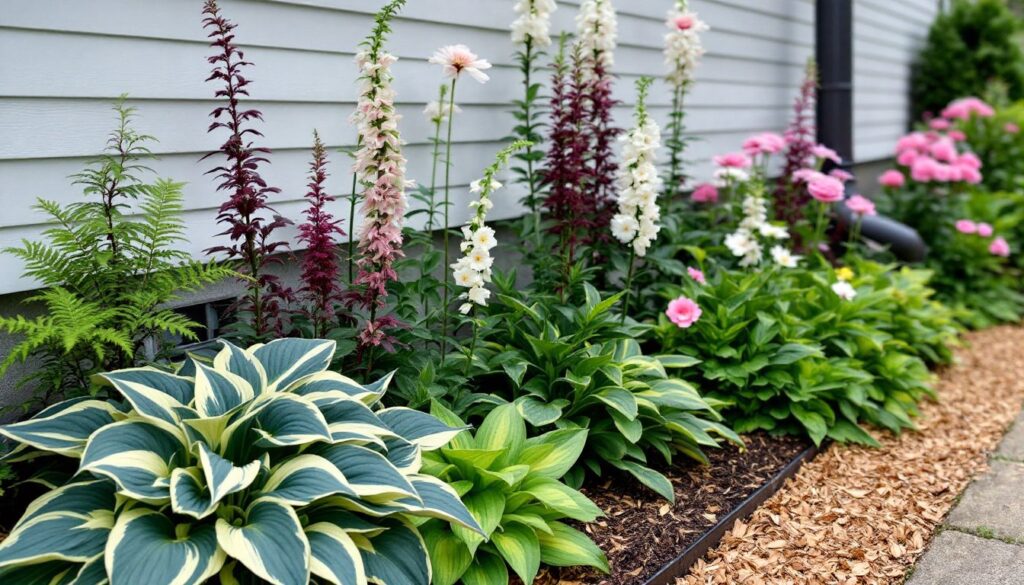

That strip of soil on the north side of most houses, cold, dim, and often forgotten, doesn’t have to be a landscaping dead zone. In fact, it’s an ideal spot for dozens of shade-loving perennials that struggle in full sun. North-facing beds receive limited direct sunlight, typically only early morning or late evening rays, creating consistent, cool conditions. This environment mimics the forest floor where many beautiful perennials evolved. Homeowners who understand what thrives in low light can turn this challenging space into a lush, low-maintenance garden bed that blooms from spring through fall.
Table of Contents
ToggleKey Takeaways
- Perennial plants for north side gardens thrive in 2–4 hours of indirect sunlight and cooler temperatures, transforming a challenging space into a lush, low-maintenance bloom zone from spring through fall.
- Top shade-loving perennials include hostas, astilbe, bleeding heart, hellebores, Japanese anemone, ferns, coral bells, and Solomon’s seal—each offering distinct colors and textures for year-round interest.
- Successful north-facing beds require proper drainage, soil testing, and 2–3 inches of annual mulch to maintain consistent moisture and prevent root rot near house foundations.
- Layer plants by height (low growers front, tall plants back) and mix foliage textures and variegated leaves to brighten shady corners and create visual depth without relying solely on blooms.
- Plant perennials in spring after the last frost or fall 6 weeks before the first freeze, spacing them 12–24 inches apart and keeping crowns at soil level to ensure establishment.
- Apply balanced fertilizer at half strength once in early spring and divide overcrowded perennials every 3–5 years to maintain vigor and prevent garden stagnation.
Why the North Side of Your House Is Perfect for Shade-Loving Perennials
North-facing beds receive indirect light for most of the day, typically 2–4 hours of direct sun maximum, depending on latitude and surrounding structures. This creates a partial to full shade environment that stays cooler and retains moisture longer than south or west exposures.
Many popular perennials actually perform better in these conditions. Full sun stresses shade-adapted plants, causing leaf scorch, wilting, and poor flowering. North side plantings also benefit from protection against harsh afternoon sun, which can fade blooms and dry out soil quickly during summer months.
The microclimate on the north side tends to be 5–10°F cooler in summer, extending bloom times for cool-season flowers and reducing irrigation needs. Soil moisture stays more consistent, which benefits plants with shallow root systems. But, this same advantage means slower soil warming in spring, so planting schedules may need adjustment, wait until soil temps reach at least 50°F before planting most perennials.
One challenge: north-facing beds near the foundation can suffer from poor drainage if gutters dump water directly onto the planting area. Install downspout extensions to redirect runoff at least 3–4 feet from the foundation. Also check for overhead eaves: deeply overhanging rooflines can create a rain shadow that starves plants of moisture even though the shady conditions.
Top 10 Perennial Plants That Thrive on the North Side
Flowering Perennials for North-Facing Gardens
Hostas (Hosta spp.) are the workhorses of shade gardening. Available in sizes from 6-inch miniatures to 4-foot giants, they offer foliage in shades of blue, green, chartreuse, and variegated patterns. Most varieties produce pale purple or white flower spikes in mid to late summer. Hostas prefer consistently moist, well-draining soil enriched with compost. Zones 3–9.
Astilbe (Astilbe spp.) delivers feathery plume-like blooms in pink, red, white, or lavender from late spring through summer, depending on variety. The fern-like foliage remains attractive after flowers fade. Astilbes need consistent moisture, mulch with 2–3 inches of shredded bark to retain soil moisture. Heights range from 12 inches to 4 feet. Zones 4–9.
Bleeding Heart (Dicentra spectabilis) produces iconic heart-shaped pink or white flowers on arching stems in spring. The plant goes dormant by midsummer in warmer zones, so pair it with later-blooming companions to fill the gap. Reaches 2–3 feet tall. The fringed-leaf variety (Dicentra eximia) stays green longer. Zones 3–9.
Hellebores (Helleborus spp.), also called Lenten rose, bloom in late winter to early spring when little else is flowering. The cup-shaped blooms come in white, pink, purple, and green, often with spotted throats. Leathery evergreen foliage provides year-round structure. They tolerate dry shade once established. Zones 4–9.
Japanese Anemone (Anemone × hybrida) brings late-season color with daisy-like flowers in pink or white on wiry stems, blooming August through October. Plants reach 3–5 feet tall and spread gradually via rhizomes. They prefer afternoon shade but tolerate more sun in cooler climates. Zones 4–8.
Foliage Perennials for Year-Round Interest
Ferns are essential for texture in shady beds. Autumn Fern (Dryopteris erythrosora) emerges copper-colored in spring, maturing to glossy green. Japanese Painted Fern (Athyrium niponicum) offers silvery-blue fronds with burgundy veining. Most ferns reach 1–3 feet and prefer moist, acidic soil. Zones vary by species, typically 4–9.
Coral Bells (Heuchera spp.) provide colorful foliage in purple, bronze, lime, coral, and silver, often with contrasting veins. Small flower wands appear in late spring. They handle more shade than sun but need good drainage to prevent crown rot, avoid heavy clay without amendment. Heights range from 8–18 inches. Zones 4–9.
Lungwort (Pulmonaria spp.) offers spotted or silvery foliage and early spring flowers in pink, blue, or white. The leaves remain attractive through fall, providing ground-level interest. Plants spread slowly to 12–18 inches wide. Lungwort tolerates dry shade better than most shade perennials. Zones 4–8.
Brunnera (Brunnera macrophylla), or Siberian bugloss, features heart-shaped leaves, often variegated with silver patterns, and clouds of forget-me-not-like blue flowers in spring. It fills space quickly, reaching 12–18 inches tall and spreading to form a weed-suppressing mat. Zones 3–8.
Solomon’s Seal (Polygonatum spp.) grows arching stems lined with oval leaves and dangling white bell-shaped flowers in late spring. The architectural form adds vertical interest, ranging from 1–6 feet depending on species. It spreads via rhizomes and tolerates deep shade. Zones 3–9.
How to Successfully Plant and Care for North Side Perennials
Proper soil preparation makes the difference between thriving plants and struggling survivors. North-side soil often stays wet longer, so drainage is critical.
Soil Preparation:
- Test soil pH. Most shade perennials prefer slightly acidic to neutral soil (pH 6.0–7.0). Add sulfur to lower pH or lime to raise it based on test results.
- Amend heavy clay. Work in 2–3 inches of compost and peat moss or aged bark to improve drainage. Till or turn amendments into the top 8–12 inches.
- Check drainage. Dig a 12-inch-deep hole, fill with water, and time how long it takes to drain. If water remains after 4 hours, consider raising the bed 6–8 inches or installing drainage tile.
Planting:
- Timing matters. Spring planting (after last frost) gives roots a full season to establish before winter. Fall planting works in zones 7 and warmer, aim for 6 weeks before the first hard freeze.
- Space correctly. Don’t crowd plants hoping for instant fullness. Check mature spread and space accordingly. Most perennials need 12–24 inches between centers.
- Plant at proper depth. The crown (where roots meet stems) should sit at soil level, not buried. Exception: peonies and some bulbs have specific depth requirements.
- Water thoroughly. Soak the root zone immediately after planting to eliminate air pockets. Keep soil consistently moist (not soggy) for the first 4–6 weeks.
Ongoing Care:
- Mulch annually with 2–3 inches of shredded bark or leaf compost. This moderates soil temperature, retains moisture, and suppresses weeds. Keep mulch pulled back 2–3 inches from plant crowns to prevent rot.
- Water deeply but less frequently. Shade gardens need less irrigation than sun beds, but don’t assume they’re maintenance-free. During dry spells, provide 1 inch of water per week via soaker hose or drip irrigation.
- Fertilize sparingly. Shade perennials grow slower and need less fertilizer than sun lovers. Apply a balanced slow-release fertilizer (such as 10-10-10) once in early spring at half the recommended rate. Overfertilizing causes weak, leggy growth.
- Divide when crowded. Most perennials benefit from division every 3–5 years. Spring bloomers are best divided in fall: late bloomers in early spring. Dig the entire clump, split with a sharp spade or knife, and replant divisions immediately.
Safety note: Wear gloves when handling plants, some, like hellebores, have sap that irritates skin. Use knee pads for ground-level work to prevent joint strain.
Design Tips for Creating a Beautiful North-Facing Garden Bed
A successful shade garden relies on layering, texture contrast, and thoughtful color placement, not just cramming in whatever tolerates low light.
Layer heights from front to back. Place low growers like coral bells and lungwort at the bed edge, mid-height plants like astilbe and hostas in the middle, and tall Solomon’s seal or Japanese anemone toward the back. This creates depth and ensures every plant is visible.
Mix foliage textures for visual interest beyond bloom time. Pair bold hosta leaves with delicate fern fronds, or contrast the fine texture of astilbe with broad brunnera. Since shade gardens rely more on foliage than flowers, textural variety prevents monotony.
Use variegation to brighten dark corners. Silver, chartreuse, and white-edged foliage reflects available light better than solid green. Variegated hostas, silver brunnera, or lime-colored coral bells add brightness without relying on flowers.
Plan for seasonal succession. Early spring: hellebores and bleeding heart. Late spring: brunnera, astilbe, Solomon’s seal. Summer: hostas, ferns. Late summer and fall: Japanese anemone. Stagger bloom times so something is always performing.
Consider evergreen structure. In zones where they’re hardy, hellebores and certain ferns (like autumn fern) provide winter interest when deciduous perennials die back. This prevents the bed from looking bare five months of the year.
Edge the bed cleanly. Use metal or plastic landscape edging to separate the garden from lawn or mulched paths. A clean edge makes the planting look intentional, not accidental. Bury edging so only ½ inch shows above grade.
Avoid overmulching. A 2–3 inch layer is plenty. Deeper mulch can smother shallow-rooted plants and create habitat for voles and slugs, both common shade garden pests.
Conclusion
The north side of a house isn’t a landscaping liability, it’s an opportunity to grow perennials that would struggle anywhere else on the property. With proper soil prep, smart plant selection, and attention to drainage, homeowners can create a low-maintenance garden bed that delivers color, texture, and interest from early spring through fall. The key is working with the shade, not against it.