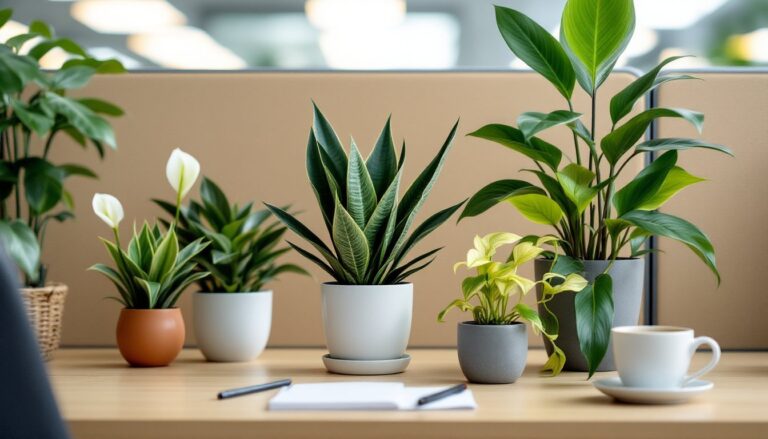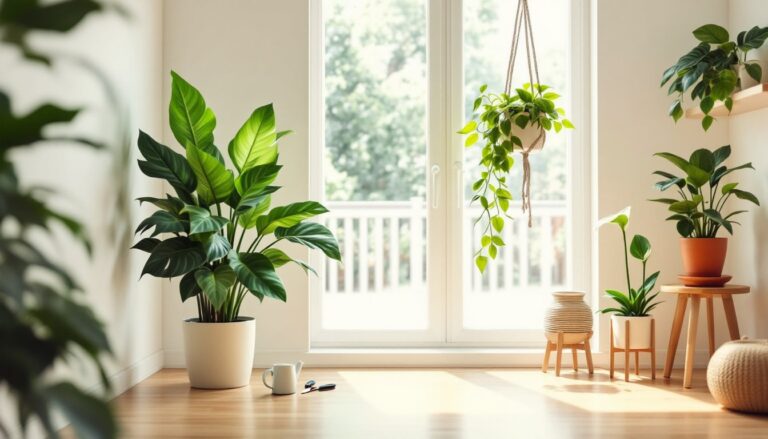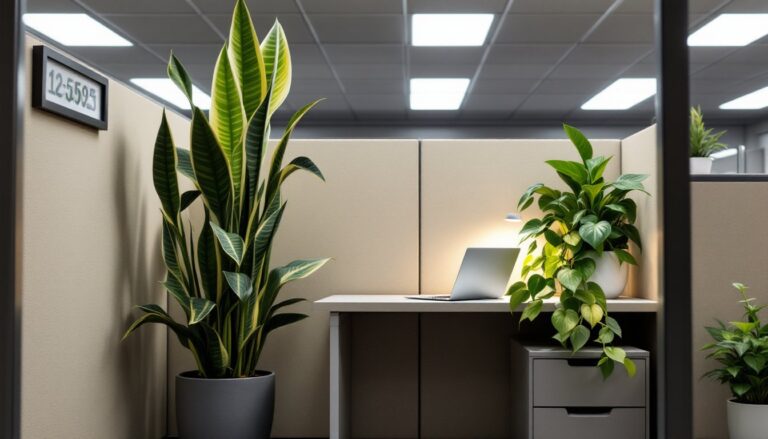

Fluorescent lighting, recycled air, and a mountain of paperwork, most office desks aren’t exactly bursting with life. But adding the right indoor plant can change that. Desk plants don’t just soften the aesthetic of a cubicle: they improve air quality, reduce stress, and can even boost productivity. The trick is choosing varieties that tolerate low light, irregular watering, and the occasional coffee spill. This guide walks through the best plants for office desks in 2026, with practical advice on care, placement, and picking the right green companion for any workspace setup.
Table of Contents
ToggleKey Takeaways
- Indoor plants for office desk improve air quality by absorbing carbon dioxide and filtering volatile organic compounds like formaldehyde, while also reducing stress and boosting productivity.
- Pothos, snake plants, and ZZ plants are the best low-light desk plants because they tolerate irregular watering, require minimal maintenance, and thrive in fluorescent office lighting.
- Overwatering is the leading cause of plant failure in offices; use pots with drainage holes and water only when the top inch of soil is dry.
- Position desk plants away from air vents and heating units to avoid temperature stress, and wipe leaves monthly to maintain their air-purifying ability.
- Choose compact, upright plants like snake plants or succulents for tight desk spaces, and opt for drought-tolerant varieties if you travel frequently or have an irregular work schedule.
Why You Should Add Plants to Your Office Desk
The benefits of desk plants go beyond decoration. Research consistently shows that indoor plants improve air quality by absorbing carbon dioxide and releasing oxygen, with some species filtering out volatile organic compounds (VOCs) like formaldehyde and benzene, common in office furniture, carpets, and cleaning products.
Beyond air quality, plants reduce stress. A 2019 study in the Journal of Physiological Anthropology found that interacting with indoor plants lowered psychological and physiological stress compared to computer-based tasks. Workers reported feeling calmer and more focused when plants were present.
Productivity gets a bump, too. The presence of greenery has been linked to improved concentration and memory retention. Even a small pothos or succulent can break up visual monotony, giving the eyes a rest from screen glare.
Finally, plants add humidity to dry office environments, which helps with respiratory comfort and reduces static. In heated or air-conditioned spaces, that extra moisture matters. For anyone spending eight-plus hours at a desk, these are measurable quality-of-life improvements, not just aesthetics.
Top Indoor Plants That Thrive on Office Desks
Not every plant can handle the conditions of a typical office. Limited natural light, temperature fluctuations, and inconsistent watering schedules eliminate most finicky species. The plants below have earned their reputation as desk-friendly options.
Low-Light Champions for Dimly Lit Workspaces
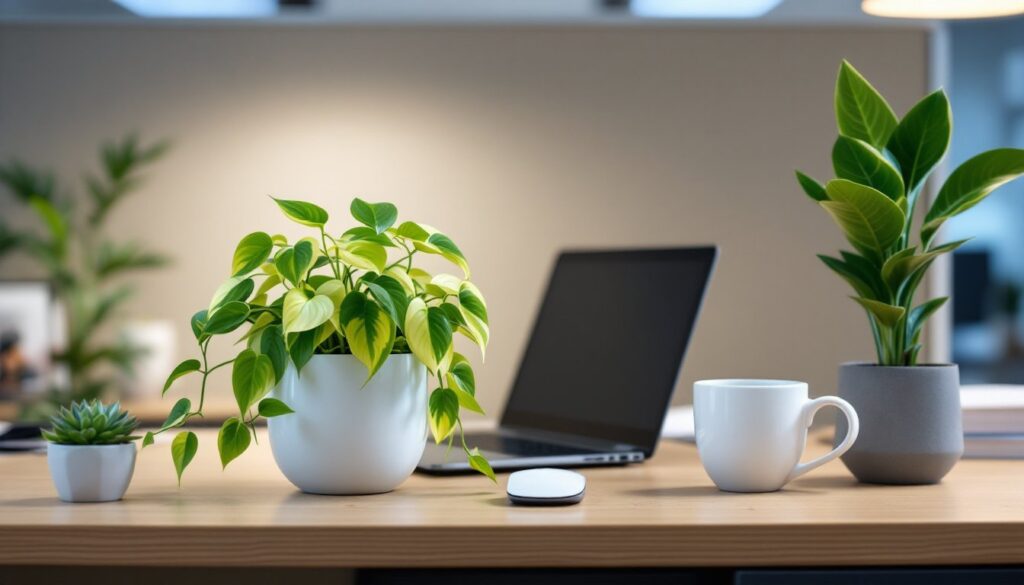
Pothos (Epipremnum aureum) is the most forgiving desk plant available. It tolerates low to moderate light, survives on irregular watering, and can grow in water or soil. The trailing vines look good cascading from a shelf or pinned along a cubicle wall. Pothos also ranks high on NASA’s list of air-purifying plants, filtering formaldehyde and xylene.
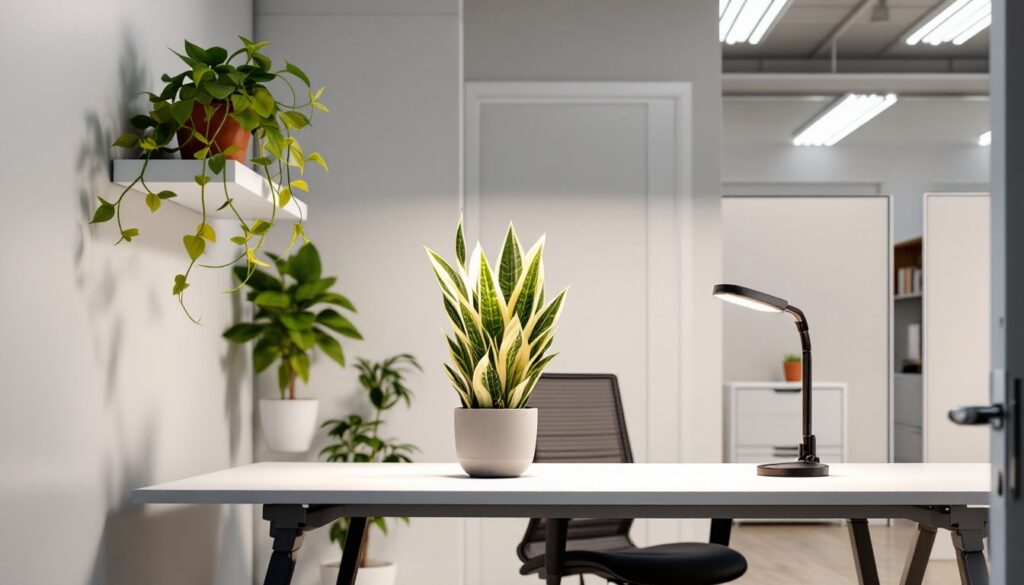
Snake Plant (Sansevieria trifasciata) thrives on neglect. It tolerates low light, needs watering only every two to three weeks, and grows upright, ideal for tight desk spaces. Snake plants release oxygen at night, unlike most plants, making them useful in windowless offices. The stiff, architectural leaves add visual interest without taking up horizontal space.
ZZ Plant (Zamioculcas zamiifolia) handles low light and drought better than almost any other houseplant. Its thick, waxy leaves store water, so it can go weeks without attention. Growth is slow, which means less pruning and repotting. The glossy foliage stays clean with an occasional wipe-down, and the plant rarely suffers from pests.
Chinese Evergreen (Aglaonema) offers variegated foliage in shades of green, silver, and pink, depending on the cultivar. It tolerates low light and prefers to dry out slightly between waterings. Chinese evergreens are compact, typically under 12 inches tall, and adapt well to fluorescent lighting.
Low-Maintenance Options for Busy Professionals
Succulents (Echeveria, Haworthia, Crassula) are compact, slow-growing, and need minimal water. They do best with some natural light, an east- or west-facing window works well, but many tolerate bright office LEDs. Water once every two to three weeks, letting the soil dry completely between sessions. Overwatering is the most common mistake.
Spider Plant (Chlorophytum comosum) adapts to a wide range of lighting and watering conditions. It produces cascading offshoots (spiderettes) that can be propagated easily. Spider plants filter carbon monoxide and xylene, and they’re non-toxic to pets if the office allows animals.
Peace Lily (Spathiphyllum) signals when it needs water by drooping noticeably, then perks up within hours of watering. It blooms periodically with white spathes, even in low light. Peace lilies remove ammonia, benzene, and formaldehyde from the air. Note that they’re toxic if ingested, so keep them away from curious pets or small children.
Lucky Bamboo (Dracaena sanderiana) isn’t actually bamboo, it’s a Dracaena. It grows in water or soil, tolerates low light, and stays compact. Change the water weekly if growing it hydroponically, and avoid tap water with high fluoride, which causes leaf burn. It’s a low-effort option with a clean, minimalist look.
How to Care for Your Desk Plants Without the Hassle
Office plant care boils down to three things: light, water, and cleaning. Get those right, and most desk plants will thrive.
Light: Most office plants tolerate low to moderate indirect light. If the workspace has no windows, position plants under overhead LEDs or invest in a small grow light, a 10-watt clip-on LED bulb is enough for most small plants. Avoid placing plants directly under air vents or near heating units, which cause temperature stress.
Watering: Overwatering kills more office plants than underwatering. Use pots with drainage holes whenever possible, and let the top inch of soil dry out before watering again. For plants in cachepots (decorative outer pots), remove the inner pot, water over a sink, let it drain, then return it. This prevents root rot.
Set a weekly reminder to check soil moisture. Press a finger into the soil, if it’s damp, skip watering. If it’s dry, water thoroughly until it drains from the bottom. Most desk plants need watering once a week, though succulents and snake plants can go longer.
Cleaning: Dust blocks light and reduces a plant’s ability to photosynthesize. Wipe leaves with a damp cloth every few weeks, or rinse plants under lukewarm water in a break room sink. For fuzzy-leaved plants like some succulents, use a soft brush instead.
Fertilizing: Most desk plants grow slowly and don’t need heavy feeding. Use a balanced liquid fertilizer (10-10-10 or 20-20-20 NPK) diluted to half strength, applied once every two to three months during spring and summer. Skip fertilizing in fall and winter when growth slows.
Repotting: If roots start growing through drainage holes or the plant becomes top-heavy, it’s time to repot. Move up one pot size (e.g., from a 4-inch pot to a 6-inch pot), using a well-draining potting mix. Spring is the best time to repot.
Choosing the Right Plant for Your Workspace Setup
Desk size, lighting, and personal habits all influence which plant works best.
Tight desk space: Choose upright, compact plants like snake plants, ZZ plants, or small succulents. Avoid trailing plants unless there’s a shelf or cubicle wall to support them.
Low or no natural light: Stick with pothos, snake plants, ZZ plants, or Chinese evergreens. These tolerate fluorescent and LED office lighting without issue.
Frequent travel or irregular schedule: Go for drought-tolerant options like succulents, snake plants, or ZZ plants. These can survive two to three weeks without water.
Allergies or air quality concerns: Peace lilies, pothos, and spider plants rank high for air purification. Snake plants and ZZ plants also filter toxins and require minimal upkeep.
Shared workspace or pets: Avoid toxic plants like peace lilies and pothos if pets visit the office. Spider plants, snake plants, and most succulents are safer choices.
Aesthetic preferences: For a modern, minimalist look, consider snake plants or succulents in geometric pots. For a softer, more organic vibe, pothos or spider plants in ceramic or woven planters work well.
Consider pot material, too. Terracotta pots wick moisture away from soil, helping prevent overwatering but requiring more frequent watering. Plastic or ceramic pots retain moisture longer and are lighter for moving around. Always check for drainage holes.
Conclusion
Desk plants aren’t complicated. They don’t require a green thumb or daily attention, just the right species for the space and a consistent, minimal care routine. Whether working under fluorescent lights or next to a window, there’s a plant that fits. Start with a forgiving variety like pothos or a snake plant, and let it prove how much a bit of greenery can improve the workday.