
Adding plants to an office isn’t just about aesthetics, it’s a practical move that improves air quality, reduces stress, and boosts productivity. Whether working from a cramped home office or a sterile corporate cube, greenery can soften harsh lighting, absorb sound, and make the space feel less like a holding cell. The trick is choosing the right plants for the conditions and maintaining them without adding another chore to the weekly grind. This guide covers plant selection, strategic placement, minimal-fuss care routines, and design strategies to create a functional, thriving workspace.
Table of Contents
ToggleKey Takeaways
- An office with plants reduces reported tension and anxiety by 37% while improving air quality by filtering VOCs and dust, making it a practical investment beyond aesthetics.
- Low-light champion plants like pothos, snake plants, and ZZ plants thrive in typical office environments with fluorescent lighting and irregular watering schedules.
- Strategic placement near indirect light sources, away from air vents and heat sources, determines whether office plants thrive or struggle.
- Most office plants require only three maintenance essentials: correct watering (allowing soil to dry between waterings), adequate light rotation, and minimal monthly feeding during growing seasons.
- Grouping plants by height and texture in matching neutral containers creates visual interest while preventing clutter and maintaining a professional workspace aesthetic.
Why Plants Belong in Every Office Space
Plants deliver measurable benefits in an office environment. Studies show they reduce airborne dust by up to 20% and increase humidity levels, counteracting the drying effects of HVAC systems. Species like pothos, spider plants, and snake plants actively filter volatile organic compounds (VOCs) emitted by printers, particleboard furniture, and carpet adhesives.
Beyond air quality, plants act as sound dampeners. In open-plan offices or rooms with hard surfaces, foliage absorbs mid- to high-frequency noise, cutting down on keyboard clatter and phone chatter. A single large-leaf plant can reduce ambient noise by several decibels, not dramatic, but noticeable.
There’s also the psychological angle. Research from the University of Technology Sydney found that offices with plants saw a 37% reduction in reported tension and anxiety, plus a 58% drop in depression scores among employees. Greenery creates visual breaks from screens and gives the eye something to rest on, which matters during long stretches of focus work.
Finally, plants soften institutional aesthetics. They add texture, movement, and organic shapes to spaces dominated by right angles and synthetic materials. That doesn’t mean cluttering every surface, thoughtful placement of a few healthy specimens is more effective than a crowded jungle.
Best Plants for Office Environments
Not every plant thrives under fluorescent bulbs and irregular watering schedules. The best office plants tolerate neglect, low light, and temperature swings from weekend thermostat setbacks.
Low-Light Champions for Dim Workspaces
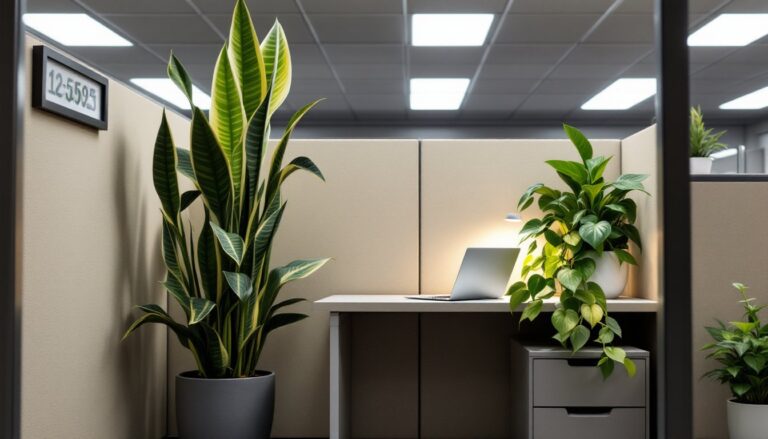
Most office environments lack direct sunlight. Interior rooms, north-facing windows, and windowless cubes require plants adapted to shade.
Pothos (Epipremnum aureum) is the workhorse of low-light spaces. Its trailing vines grow quickly even under desk lamps and tolerate sporadic watering. The variegated varieties (golden, marble queen) retain color in dim conditions better than most.
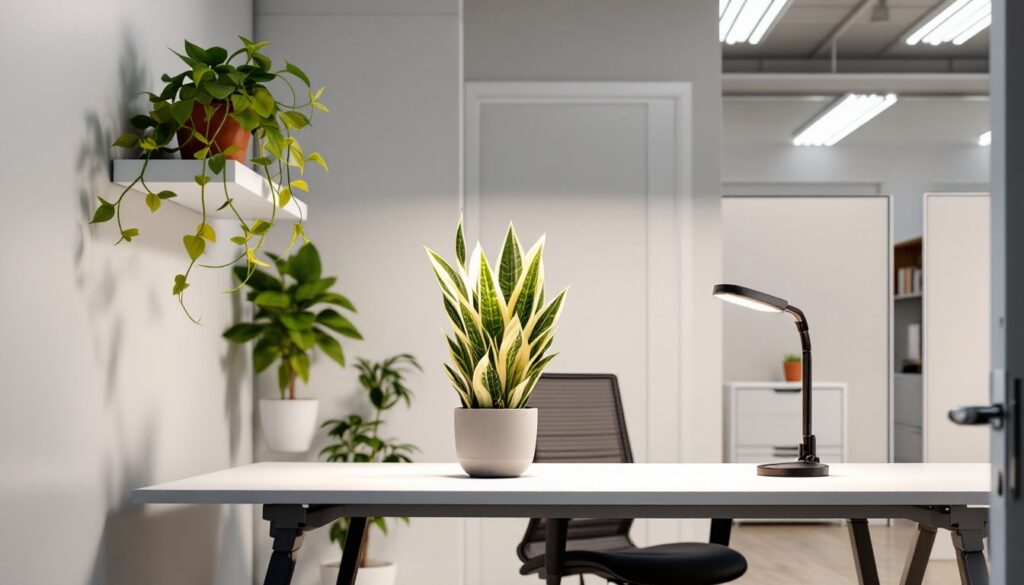
Snake plants (Sansevieria trifasciata) handle true neglect, they can go three weeks without water and survive fluorescent-only lighting. Their upright, architectural form fits narrow spaces between filing cabinets or beside monitors.
ZZ plants (Zamioculcas zamiifolia) store water in thick rhizomes, making them drought-proof. They tolerate windowless offices and produce glossy, dark green foliage that doesn’t scorch under artificial light.
Cast iron plants (Aspidistra elatior) earned their name for good reason. They withstand low light, poor air circulation, and temperature fluctuations without complaint. Growth is slow, but they’re nearly indestructible.
Low-Maintenance Options for Busy Professionals
For those who forget to water or travel frequently, succulents and other hands-off species make sense.
Jade plants (Crassula ovata) need watering only when the soil is bone dry, every two to three weeks in most offices. They prefer bright indirect light but adapt to less.
Spider plants (Chlorophytum comosum) are forgiving of irregular watering and produce offshoots (pups) that can be propagated or left attached for a fuller look. They also rank high on NASA’s air-purifying plant list.
Rubber plants (Ficus elastica) grow large with minimal effort, offering bold, waxy leaves that wipe clean easily. They prefer moderate light but tolerate lower levels without dying back.
Philodendrons come in dozens of varieties, nearly all low-maintenance. The heart-leaf type (Philodendron hederaceum) trails nicely from shelves, while upright types like ‘Birkin’ stay compact on desks.
Strategic Placement: Where to Position Plants in Your Office
Placement determines whether a plant thrives or limps along. Start by assessing light conditions. Use a light meter app (several free options exist) or the shadow test: hold your hand a foot above the surface in question at midday. A sharp, defined shadow means bright indirect light: a faint shadow suggests low light: no shadow at all means very low light.
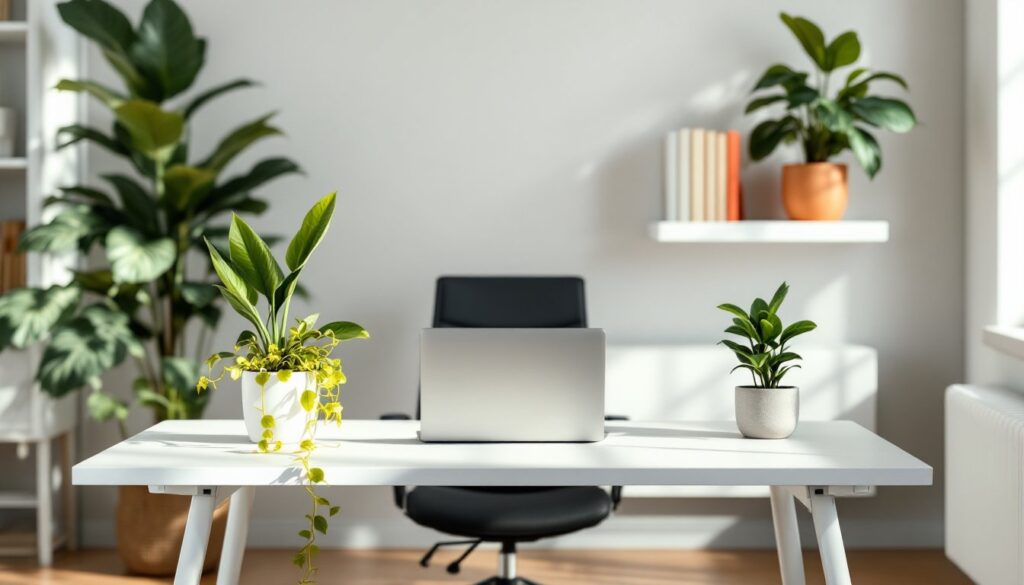
Desktop placement works for small pots (4–6 inches) that don’t obstruct sightlines to the monitor. Position them to the side or slightly behind the keyboard. Avoid placing plants directly under air vents, constant airflow dries soil quickly and stresses foliage.
Floor plants anchor corners and fill vertical space. Choose specimens in 10-inch or larger nursery pots: fiddle-leaf figs, dracaenas, or parlor palms. Place them at least 12 inches from baseboards to allow air circulation and avoid water damage to walls or trim.
Shelving and bookcases accommodate trailing or cascading plants. Mount brackets rated for at least 20 pounds if using ceramic pots: a gallon of water weighs about 8 pounds, and wet soil adds more. Use saucers with a lip (at least 1 inch) to catch runoff and prevent water stains on wood finishes.
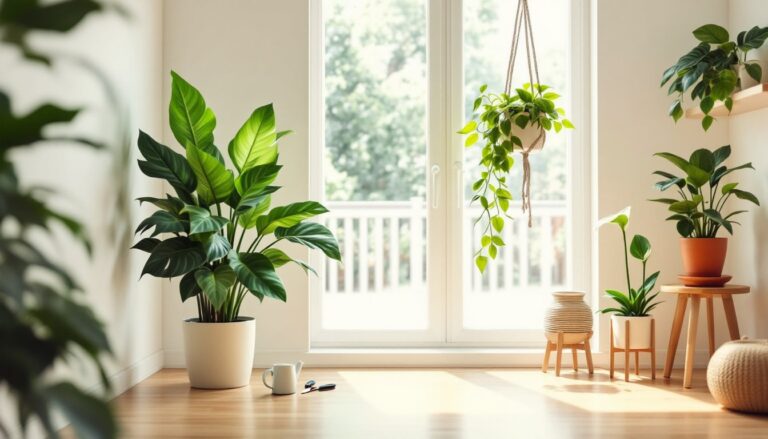
Windowsills offer the most natural light but require careful plant selection. East-facing windows provide gentle morning sun ideal for most species. South and west exposures can scorch delicate foliage, reserve those spots for succulents or cacti, or use sheer curtains to diffuse intensity.
Avoid placing plants near heat sources like radiators or space heaters. Rapid temperature changes cause leaf drop and stress root systems.
Caring for Office Plants Without the Hassle
Office plant care boils down to three things: watering correctly, managing light, and occasional feeding.
Watering frequency varies by species and container size, but most office plants prefer to dry out between waterings. Stick a finger 2 inches deep into the soil, if it’s dry, water thoroughly until it drains from the bottom. Empty saucers after 15 minutes to prevent root rot. Overwatering kills more office plants than underwatering.
Use room-temperature water. Cold tap water shocks roots and can cause leaf spotting. If municipal water is heavily chlorinated, let it sit overnight in an open container before use, or use a basic carbon filter.
Light management matters more than watering. Rotate plants a quarter turn weekly to encourage even growth and prevent leaning. If plants stretch toward the window or produce pale, spindly leaves, they need more light, either move them closer to a window or supplement with a full-spectrum LED grow light (20–40 watts is sufficient for a desk setup).
Fertilizer isn’t urgent but helps. Use a balanced, water-soluble formula (10-10-10 or 20-20-20 NPK) diluted to half strength once a month during spring and summer. Skip feeding in fall and winter when growth slows. Overfertilizing causes salt buildup, which shows as white crust on soil or pot rims, flush the soil with plain water if that appears.
Dust blocks light absorption. Wipe large leaves with a damp microfiber cloth monthly. For plants with small or fuzzy leaves, a gentle shower in a sink works better.
Pests are rare indoors but watch for spider mites (fine webbing), mealybugs (white cottony clusters), and fungus gnats (tiny flies around soil). Isolate affected plants immediately and treat with insecticidal soap or neem oil. Don’t ignore infestations, they spread quickly in clusters of plants.
Design Ideas to Create a Stunning Plant-Filled Office
Arrangement and container choice turn a collection of plants into intentional design.
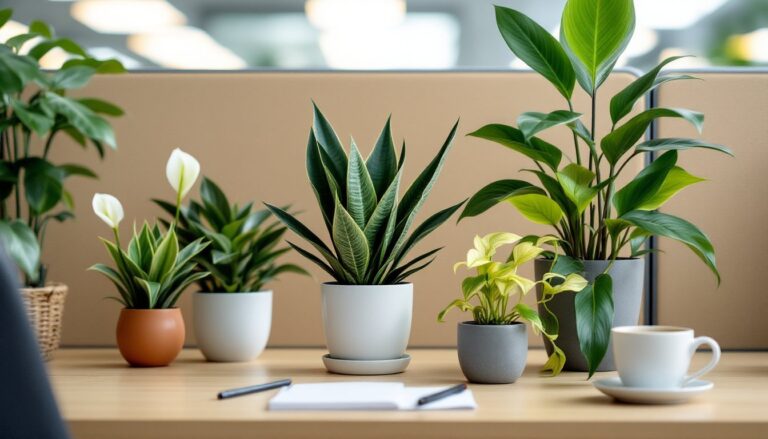
Group plants by height and texture for visual interest. Place a tall, upright specimen (snake plant, dracaena) at the back, a medium bushy plant (pothos, philodendron) in the middle, and a trailing variety (string of pearls, ivy) at the front or spilling over the edge. This layered approach mimics natural plant communities and creates depth.
Match containers to the office aesthetic. Minimalist spaces benefit from matte ceramic or concrete pots in neutral tones (white, gray, black). Warmer interiors pair well with terracotta or woven baskets with plastic liners. Avoid overly decorative or busy patterns that compete with the plants themselves.
Use consistent pot styles across the space for cohesion, either all matte white, all natural terracotta, or all textured ceramics. Mixing styles works if you stick to a unified color palette.
Vertical arrangements save desk space and add dimension. Install wall-mounted planters or floating shelves spaced at least 10 inches apart to accommodate plant height. Ensure shelves are level and anchored into studs or use appropriate drywall anchors rated for 30+ pounds per bracket.
Plant stands elevate floor plants to eye level and create zones. Metal or wood stands in 12- to 18-inch heights work for most offices. Cluster three plants at staggered heights in one corner for impact without crowding the workspace.
Living walls or vertical gardens are advanced projects requiring irrigation systems and proper waterproofing. Unless the office has dedicated maintenance staff, stick to freestanding arrangements.
Color coordination matters. Green is versatile, but variegated plants (white, yellow, or pink markings) add visual breaks. Pair dark green foliage (ZZ plant, rubber plant) with lighter, brighter varieties (golden pothos, neon philodendron) for contrast.
Finally, leave breathing room. Not every surface needs a plant. Negative space lets each specimen stand out and prevents the office from feeling cluttered or claustrophobic. Three well-placed, healthy plants outperform a dozen struggling specimens crammed onto a windowsill.